Ali Hashemi-Rafsandjani
 Iran
Iran- The Biography of Ali Hashemi-Rafsanjani
- Childhood and Education
- Political Career
- Right-hand Man of Khomeini
- Moderate Pragmatist
- Legacy
The Biography of Ali Hashemi-Rafsanjani
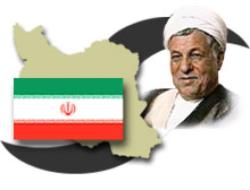
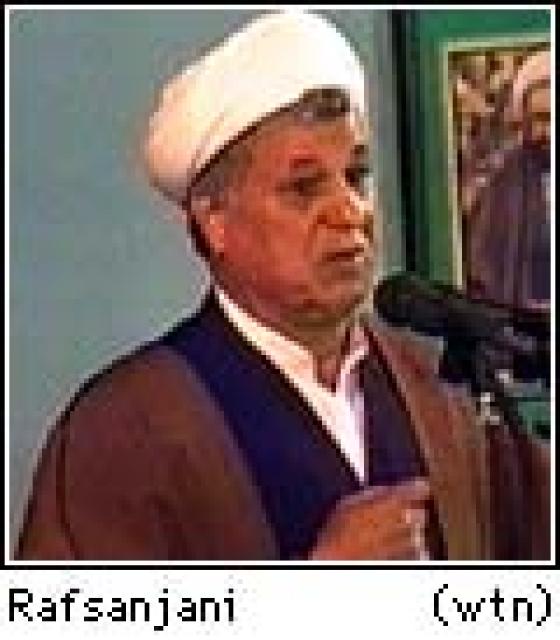
Ali Akbar Hashemi-Rafsanjani, an Iranian statesman, was born in 1934 in Nough, a district of Rafsanjan, in the Kerman province of southeastern Iran. Coming from a modest religious background, Rafsanjani was often seen as an unofficial king by many Iranians even before becoming president. He held significant political power in Iran since the mid-1980s, being the second most powerful person in the country after Ayatollah Khomeini. Rafsanjani's influence and popularity continued even after his presidency, as he currently leads the Expediency Discernment Council, a government body that advises the current Iranian government on a wide range of issues.

Childhood and Education
Rafsanjani was born into a wealthy family, with his father, Mirza Ali, being one of the largest pistachio plantation owners in the country. He inherited both religious and business vocations from his father, which he later used to great success. Rafsanjani had nine siblings, with one brother tragically dying in a car accident. His other brothers went on to hold prominent positions after the 1979 revolution.

Rafsanjani's mother is said to have made a playful wish while on a pilgrimage to Mecca, hoping that her younger son, Mohammad, would become the chief of color television. Realizing she had not mentioned the elder son, Ali Akbar, she quickly added that she hoped he would become the Shah. While she did not fully predict their futures, Mohammad did become the head of Iran's broadcasting service, and Ali Akbar became the president, coming close to being the Shah.
Political Career
At the age of six, Rafsanjani began his education, eventually attending the renowned Fayzieh Seminary in the holy city of Qom, where he became a student of Ayatollah Ruhollah Khomeini, who was not yet an influential figure. Rafsanjani's religious and political careers became intertwined with his association with Khomeini. He also became acquainted with other prominent figures in the revolution, including Ayatollah Hussein Ali Montazeri, who later became Khomeini's official successor.
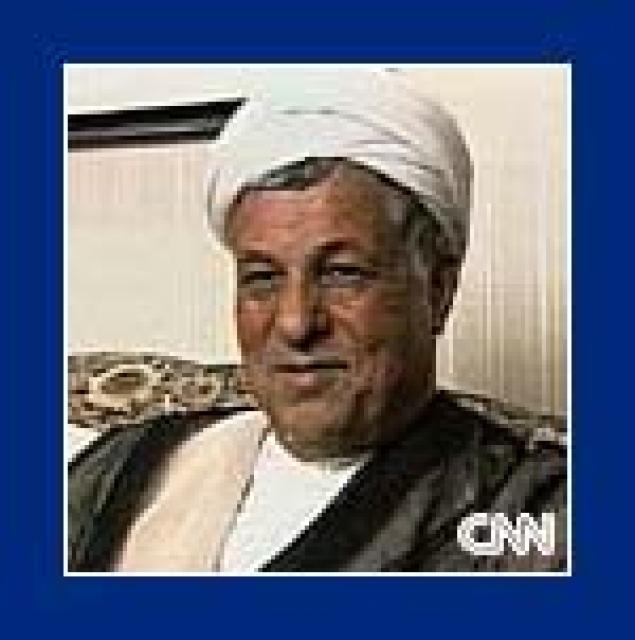
In the early 1950s, Rafsanjani started his opposition to the Shah's regime, becoming a devoted supporter of Dr. Mosaddegh's government, which aimed to strengthen Iran's national independence. However, when the Shah's regime toppled the Mosaddegh government, anyone associated with him, including Rafsanjani, faced persecution.
Throughout this period, Rafsanjani was repeatedly arrested, tortured, and humiliated. However, he remained loyal to his teacher, Khomeini, and displayed remarkable organizational skills during these dark times. He also founded his own publishing house, which released books on Islam and Iranian history, including some written by Rafsanjani himself.
Rafsanjani's political flexibility and pragmatism allowed him to navigate the complex political landscape of Iran. He carefully observed and understood the trends of the late 1970s, realizing that the clergy, led by Ayatollah Khomeini, would ultimately take control in the struggle against the Shah's despotic regime.

Right-hand Man of Khomeini
After the armed uprising in Tehran in February 1979, which overthrew the Shah's regime, Rafsanjani emerged as one of Khomeini's closest confidants. He held several important positions, including Minister of Interior. This position allowed him access to classified files from the SAVAK, the Shah's secret police, which he used to his advantage in the political arena.
Rafsanjani's physical and political resilience was evident throughout his career. He survived numerous assassination attempts, including one where he personally subdued the attacker using his karate skills. These incidents only increased his popularity and cemented his position as one of the most influential political figures in Iran after Ayatollah Khomeini.
Rafsanjani became the Speaker of Parliament in 1980, a position previously seen as insignificant. However, he transformed the Parliament into a center of power, often having the final say in the formation of the cabinet and the appointment of the Prime Minister. His close relatives also held significant positions in the government, further strengthening his influence.
Moderate Pragmatist
As the war with Iraq dragged on, Rafsanjani realized that Iran's position was becoming increasingly unsustainable. In 1988, he initiated the creation of the "Council for Expediency," which included influential figures in the government who shared his moderate views. This council served as the highest advisory body on national security matters.
Rafsanjani also sought the support of the Revolutionary Guards, a military force he helped create as a counterbalance to the regular army. However, the Guards' disillusionment grew when Khomeini agreed to a UN resolution calling for a peaceful resolution to the Iran-Iraq war. This was seen by the Guards as a betrayal of the revolution's ideals, particularly by Rafsanjani.
In 1988, Rafsanjani visited Ayatollah Khomeini to propose ending the war with Iraq. Khomeini initially hesitated but eventually agreed to consider it. Rafsanjani played a crucial role in convincing Khomeini to accept a ceasefire, which marked a turning point in the war.
Legacy
After Khomeini's death, Rafsanjani became the President of Iran in 1989 and served two terms. His presidency was marked by efforts to rebuild the war-torn country's economy and improve relations with the international community. He advocated for a pragmatic approach to governance and emphasized the importance of education, science, and technology for the country's development.
Rafsanjani's political career continued after his presidency, as he assumed the leadership of the Expediency Discernment Council. He remained a powerful and influential figure in Iran, with many considering him the most influential leader after Ayatollah Khomeini.
Ali Hashemi-Rafsanjani passed away on January 8, 2017, leaving behind a complex and controversial legacy. While he was admired by some for his pragmatism and his efforts to modernize Iran, others criticized him for his role in suppressing political opposition and limiting democratic reforms. Regardless, his impact on Iranian politics and society cannot be denied.