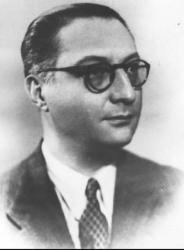
Ali Muhammed
 Yemen
YemenBiography of Ali Mohammed
Ali Mohammed is a Southern Yemeni politician who was born in the Free Tribes District of Datina (modern-day Abyan Province). He served as the President of South Yemen on two occasions and held the position of Chairman of the Presidential Council from June 26, 1978, to December 27, 1978.
Political Career
In April 1980, President Abdel Fattah Ismail resigned from his position due to health reasons and officially handed over his party and state posts to Ali Nasser, the Prime Minister at that time. Ali Nasser pursued a course of normalizing relations with Arab neighbors such as Yemen Arab Republic (YAR), Oman, Saudi Arabia, and Gulf Arab countries, as he already had good personal relationships with their leaders. He also aimed to normalize relations with the West. In terms of domestic policy, he supported the development of the domestic market and private entrepreneurship and attempted to attract Yemeni emigrant funds into the economy of the People's Democratic Republic of Yemen (PDRY). However, these policies led to increased dissatisfaction among internal party opposition to the president's policies and mistrust from the Soviet leadership.
Attempted Coup
In 1985, Ali Nasser Mohammed, who had been the Prime Minister of PDRY since August 1971, yielded his position to Haidar Abubakr al-Attas. On January 13, 1986, Ali Nasser and his supporters made an attempted top-down coup in Aden. The leaders of the opposition, including Abdel Fattah Ismail, Ali Ahmad Nasser Antar, Ali Shai Hadi, and Saleh Muslah Kasem, were executed during a specially arranged Politburo meeting. Ali Nasser's supporters unleashed terror against the supporters of Fattah and Ali Antar. However, the crucial infantry and tank units of the PDRY army sided with the opposition. The ensuing fighting resulted in the death of 10,000 people. Ali Nasser Mohammed and several thousand of his supporters fled to North Yemen. He resided there until the unification of Yemen in 1990, after which he relocated to Damascus, where he heads the Center for Arab Strategic Studies. Between 2006 and 2008, he showed signs of returning to political and social life in Yemen.