Alvaro Cunhal
 Portugal
- Early Life and Political Activism
- Imprisonment and Resistance
- Escape and Leadership of the PCP
- Literary and Artistic Contributions
- Recognition and Legacy
Early Life and Political Activism
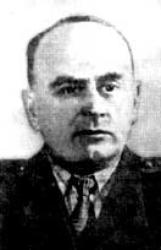
Álvaro Cunhal was born on November 10, 1913, in Coimbra, Portugal. He was the son of Avelino Cunhal Henriques da Costa, a lawyer, and Mercedes Ferreira Simões Barreirinhas Cunhal, a devout Catholic. In 1931, Cunhal enrolled in the law faculty of the University of Lisbon. There, he organized the illegal League of Friends of the USSR and the International Organization for Aid to Fighters of the Revolution (MOPR) section. In 1935, he joined the Portuguese Communist Party (PCP).
Imprisonment and Resistance
During the Salazar dictatorship, Cunhal was arrested and subjected to torture. He spent 11 years in prison, eight of which were in solitary confinement in the Peniche fortress. While imprisoned, he translated "King Lear" into Portuguese, created graphic works, and wrote "Essays on the Agrarian Question." He also authored the novel "Until Tomorrow, Comrades," which was published in the USSR under the pseudonym Manuel Tiago.
Escape and Leadership of the PCP
In 1960, Cunhal escaped from prison. After the collapse of the dictatorship in 1974, he became Minister without Portfolio in the transitional government and a member of parliament. From 1961 to 1992, he served as General Secretary of the PCP.
Literary and Artistic Contributions
In addition to his political activism, Cunhal was also a talented writer and artist. He translated "King Lear," created numerous drawings and paintings, and wrote the novel "Until Tomorrow, Comrades," which explored the struggles of Portuguese political prisoners.
Recognition and Legacy
Cunhal received numerous awards, including the Order of Lenin and the Order of the October Revolution from the USSR, and the National Order of Playa Girón from Cuba. He is remembered as a prominent figure in Portuguese political history and a staunch defender of human rights.