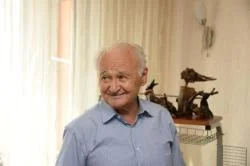
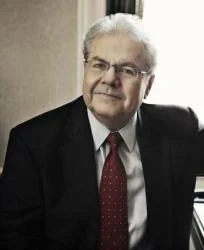
Amadeus Webersinke
Amadeus Webersinke was a German pianist, organist, and music professor whose work bridged the Leipzig and Dresden musical traditions. He was especially associated with the music of Johann Sebastian Bach, while his concert career also embraced chamber music and the clavichord. As a performer and teacher, he helped shape generations of musicians in East Germany.
Training and early career
Born on 1 November 1920, Webersinke studied church music in Leipzig from 1938 to 1940. His teachers included the organist Karl Straube, composer Johann Nepomuk David, and Otto Weinreich. The training gave him a foundation in both organ performance and broader musical study, preparing him for a career that would move between concert work and teaching.
In 1946, he returned to Leipzig as a lecturer at the city’s music college. He initially worked mainly as an organist, and in 1950 he shared first prize in organ at the International Johann Sebastian Bach Competition in Leipzig with fellow musician Karl Richter. The award brought recognition to his interpretation of Bach and established his place among the leading organists of his generation.
From organ to piano
Webersinke became a professor of piano in Leipzig in 1953. Around this time his performing focus shifted: he increasingly devoted himself to piano, giving concerts at home and abroad while continuing to draw on the musical discipline he had developed as an organist. His repertoire was notably connected to Bach’s keyboard works, and he also performed on the clavichord, an instrument closely tied to the intimate sound world of earlier music.
In 1966, he joined the Hochschule für Musik Carl Maria von Weber in Dresden as a professor. He taught there for decades, including work with advanced students and chamber musicians. His long teaching career made him an important figure in the musical life of both Leipzig and Dresden.
Legacy
Webersinke was remembered as a serious, versatile musician who brought the traditions of organ and piano playing into conversation. He maintained a particular commitment to Bach while building a broad career as a soloist and chamber performer. He died in Dresden on 15 May 2005, aged 84, leaving a legacy as a performer and influential teacher.