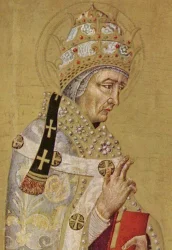
Anastasius IV
Anastasius IV was bishop of Rome from July 1153 until his death in December 1154. Born Corrado in Rome, he entered the church’s senior ranks during a period of tension between the papacy, the Roman commune, and the Holy Roman Empire. His short pontificate is remembered for pragmatic settlements in church disputes and efforts to restore Rome’s historic Pantheon.
Church Career and Election
Before becoming pope, Corrado served for many years as a cardinal and held the bishopric of Sabina. He had been active in Roman church affairs under earlier popes, including as a vicar in the city. Elected after the death of Eugene III, he took the name Anastasius IV. His election was not contested, and his Roman origins helped him maintain comparatively calm relations with the city’s political leadership.
Relations with the Empire and the Church
Anastasius faced the challenge of managing relations with Frederick Barbarossa, the newly elected German king, and resolving disputes that had carried over from earlier pontificates. He recognized Wichmann as archbishop of Magdeburg, settling a conflict between the papacy and the ruler over the appointment. He also supported the restoration of William Fitzherbert to the see of York, despite opposition from influential churchmen.
These decisions were sometimes seen as conciliatory, but they helped end prolonged disputes and preserve room for negotiation. Anastasius also granted privileges to the Hospitallers of St. John of Jerusalem, strengthening the standing of the religious order.
Restoration and Legacy
During his pontificate, the Pantheon in Rome was restored, an effort later accounts connect to Anastasius’s patronage. His surviving writings include letters and a theological work on the Trinity. He died in Rome on December 3, 1154, and was succeeded by Adrian IV.
Anastasius’s reign was brief and left few dramatic episodes, yet it was a period of moderation amid competing claims to authority. His willingness to resolve disputes through recognition and compromise helped stabilize relations between Rome, the imperial court, and church leaders.