Anrietta Renye
 France
- Biography of Henriette Renié
- Compositions and Performances
- Relationship with Hasselmans
- Teaching Career and Influence
Biography of Henriette Renié
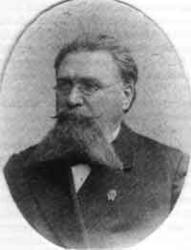
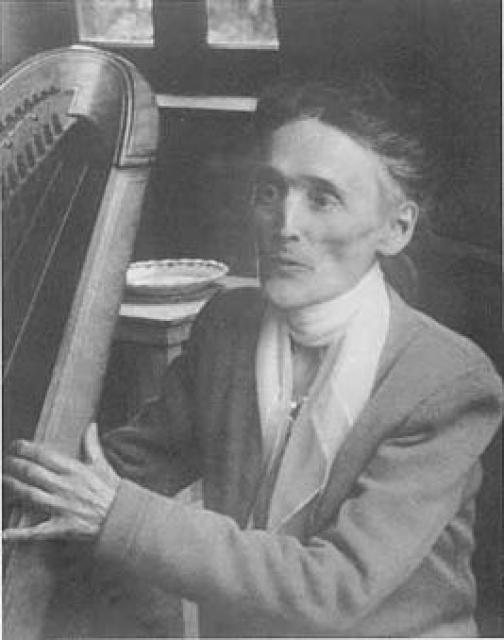
Early Life and EducationHenriette Renié (1875-1956) was a French harpist, composer, and music educator. At the age of five, Renié was inspired by Alphonse Hasselmans' harp playing and decided to learn the instrument. In 1885, she became a student of Hasselmans at the Paris Conservatoire and started giving her own lessons at the same time. At the age of twelve, Renié began performing in concerts and was allowed to attend harmony and composition classes as an exception.
Compositions and Performances
In 1901, Renié completed her Concerto for Harp and Orchestra, which was accepted by Camille Saint-Saëns for performance by the Orchestre Lamoureux. However, due to Renié's weak health, the concerts were limited. Another notable composition by Renié, "Légende" (based on Leconte de Lisle's poem), was finished in 1903. Throughout her life, Renié didn't perform extensively due to health and family circumstances. In the 1920s and 1930s, she made several recordings and radio appearances.
Relationship with Hasselmans
Although Renié taught Hasselmans' daughter Marguerite and had a friendly relationship with her, her relationship with her teacher was quite tense, possibly due to competition in the field of private lessons. This hostility affected the early years of Renié's outstanding student, Marcel Grandjany, who faced difficulties at the Conservatoire. In 1912, Hasselmans retired from the Conservatoire due to health issues and suggested Renié as his replacement. However, Renié was not appointed, possibly because of her strong and somewhat demonstrative religious beliefs that clashed with the official secular values of society. Hasselmans passed away on the same evening he learned about Renié's failed appointment.
Teaching Career and Influence
Afterward, Renié mainly taught privately, but her pedagogical influence was significant. The teaching experience she shared in a book written during World War II formed the basis of harp instruction for many contemporary educators.