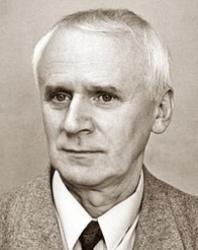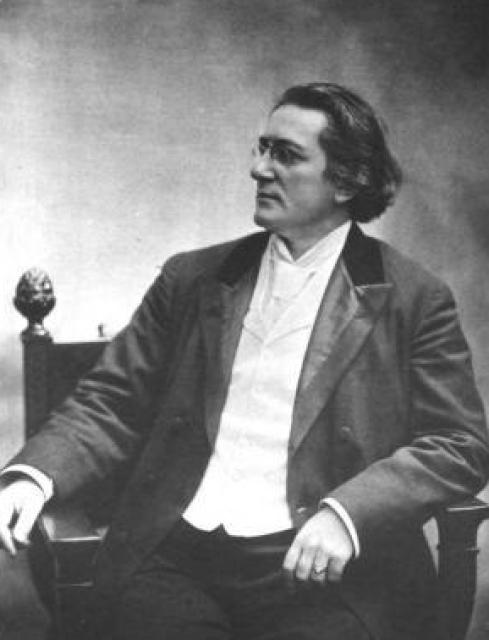
Anton Seidl
 USA
USA- Life and Career of Anton Seidl
- Association with Wagner
- Leipzig State Opera and Bayreuth Festival
- New York Philharmonic
- Marriage and Later Career
- Legacy
Life and Career of Anton Seidl
Early Life and EducationAnton Seidl, an acclaimed Austro-Hungarian conductor, was born in Bucharest on May 7, 1850. In 1870, he graduated with honors from the Leipzig Conservatory, where his exceptional talent as a conductor impressed his mentors.

Association with Wagner
In 1872, Seidl moved to Bayreuth, Germany, where he played a pivotal role in shaping the final version of Richard Wagner's "Der Ring des Nibelungen" tetralogy. Seidl's devotion to Wagner's music inspired him to dedicate his career to promoting it.
Leipzig State Opera and Bayreuth Festival
Under Wagner's patronage, Seidl was appointed conductor of the Leipzig State Opera in 1876. He collaborated extensively with Angelo Neumann to produce "Der Ring des Nibelungen," which garnered critical acclaim in London and established Seidl's reputation as a renowned conductor.
New York Philharmonic
In 1883, Seidl relocated to Bremen with Neumann and joined forces with Leopold Damrosch, the future founder of the New York Philharmonic. Wagner's music enjoyed immense popularity, and Seidl's repertoire heavily featured his works.
Marriage and Later Career
In 1891, Seidl married the renowned opera singer Auguste Kraus and became the principal conductor of the New York Philharmonic. He remained with the orchestra until his untimely death on March 28, 1898.
Legacy
Throughout his life, Seidl dedicated himself to advancing Wagner's musical legacy. His exceptional talent and devotion made him one of the most celebrated Austro-Hungarian conductors of the late 19th century. His influence on the interpretation and promotion of Wagner's works continues to resonate with audiences today.