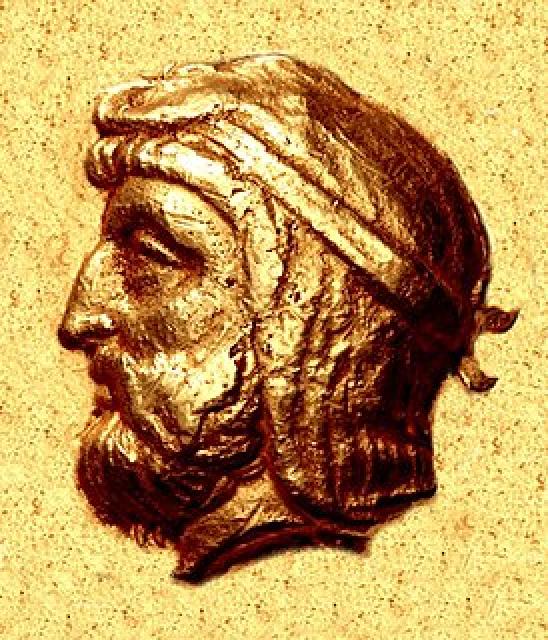
Artabazos II
- Artabazus: A Persian Satrap of Phrygia
- Rebellion against Artaxerxes III
- Exile and Return
- Alexander the Great and the Battle of Gaugamela
- Later Life and Legacy
Artabazus: A Persian Satrap of Phrygia
Early Life and AppointmentArtabazus was a Persian satrap who ruled Phrygia in the 4th century BC. The son of Pharnabazus, he was appointed as satrap by his maternal grandfather, King Artaxerxes II.
Rebellion against Artaxerxes III
In 358 BC, Artabazus joined other satraps in a rebellion against King Artaxerxes III, supported by the Athenians. However, the Athenians, embroiled in the Allied War, withdrew their support at a critical moment, leading to the failure of the uprising.
Exile and Return
Artabazus was forced to flee to Macedonia in 352 BC with his general Memnon, where they were welcomed by King Philip II. In 345 BC, Memnon's brother Mentor negotiated a pardon for Artabazus, allowing him to return to Persia.
Alexander the Great and the Battle of Gaugamela
After the Persian defeat at the Battle of Issus in 333 BC, Alexander the Great established a connection with Artabazus' daughter Barsine. Their union resulted in the birth of Heracles. In 331 BC, Artabazus participated in the decisive Battle of Gaugamela, where the Persian army was routed.
Later Life and Legacy
Following the defeat, Artabazus defected to the Macedonians and was appointed as satrap of Bactria by Alexander. He voluntarily retired from service in 327 BC and passed away two years later. Pharaoh Ptolemy I of Egypt married Artabazus' daughter Apama, while Eumenes married his other daughter Artonis.