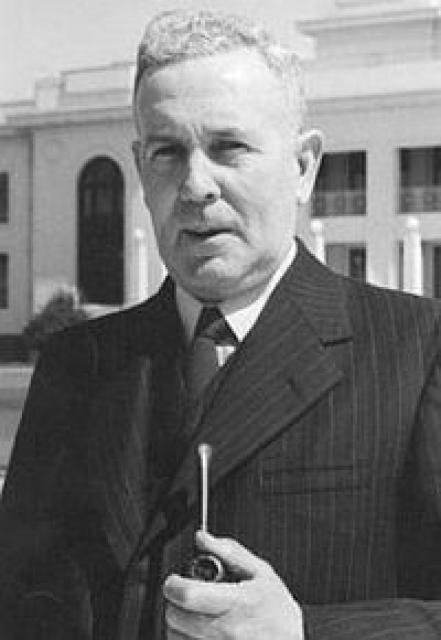
Ben Chifley
 Australia
- Early Life and Career
- Ministerial Posts and Defeats
- Re-election and Rise to Leadership
- Prime Ministership
- Banking Reforms and Nationalization
- Final Years
Early Life and Career
Ben Chifley: The Architect of Australia's Welfare StateBorn in Bathurst, New South Wales on September 22, 1885, Ben Chifley began his political journey in his hometown. In 1928, he was elected to the federal parliament, where he became a vocal supporter of moderate centrists during the Depression.
Ministerial Posts and Defeats
Minister of Defense and Deputy TreasurerIn 1931, Chifley ascended to the roles of Minister of Defense and Deputy Treasurer but faced defeat in that year's general election. Undeterred, he served on the Royal Commission on Banking (1935-1936) and held various positions related to wartime production (1939).
Re-election and Rise to Leadership
Re-entering Parliament and Strengthening the Labor PartyChifley's efforts to unify labor factions in New South Wales contributed to their success in the 1940 general election. Subsequently, he became Minister of Finance in John Curtin's Labor government, where his prudent financial management during World War II bolstered Australia's military strength.
Prime Ministership
Architect of Postwar AustraliaUpon Curtin's passing in 1945, Chifley became Prime Minister. He implemented Labor's agenda, expanding pensions, unemployment benefits, and healthcare and education access.
Banking Reforms and Nationalization
Strengthening Federal OversightChifley's landmark achievement was the Banking Act of 1945, giving the Commonwealth Bank of Australia control over private banks and empowering the Minister of Finance to guide the Reserve Bank's policies. Two years later, his push to nationalize the banks faced resistance and was ultimately overturned by the Privy Council. This setback contributed to Labor's defeat in the 1949 election.
Final Years
Leader of the OppositionChifley became the leader of the opposition but sadly passed away in Canberra on June 13, 1951. His legacy as the architect of Australia's welfare state continues to resonate today.