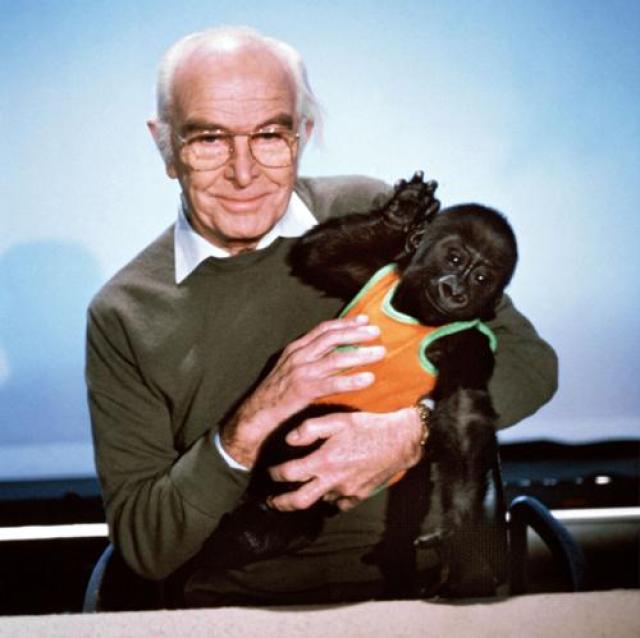
Bernhard Grzimek
 Germany
- Bernhard Grzimek: A Trailblazing Naturalist
- Career during World War II
- Post-War Leadership
- Accusations and Redemption
- Environmental Advocacy
- Film and Writing
- Later Years and Legacy
Bernhard Grzimek: A Trailblazing Naturalist
Early Life and EducationBernhard Klemens Maria Grzimek was born on April 4, 1909, in Neisse, Upper Silesia. His father was a lawyer and notary, and his mother was Margarete Margot. Grzimek chose a different path than his father, studying veterinary medicine at the universities of Leipzig and Berlin. He earned his doctorate in 1933.
Career during World War II
During the Second World War, Grzimek served as an expert in the Ministry of Economics and the Ministry of Food and Agriculture, specializing in livestock epidemiology. Simultaneously, he worked as a veterinarian in the Wehrmacht and conducted animal observations.
Post-War Leadership
In 1945, Grzimek became the director of the Frankfurt Zoological Garden, which had been severely damaged by bombing. He led the effort to rebuild the zoo, bringing it back to life on July 1, 1945. Grzimek's determination and dedication ensured the zoo's continued existence.
Accusations and Redemption
In 1947, Grzimek was accused of being a member of the Nazi Party. He strongly denied the accusation, and an investigation later cleared him in 1948. Grzimek returned to his work with a tarnished reputation, but his determination remained unwavering.
Environmental Advocacy
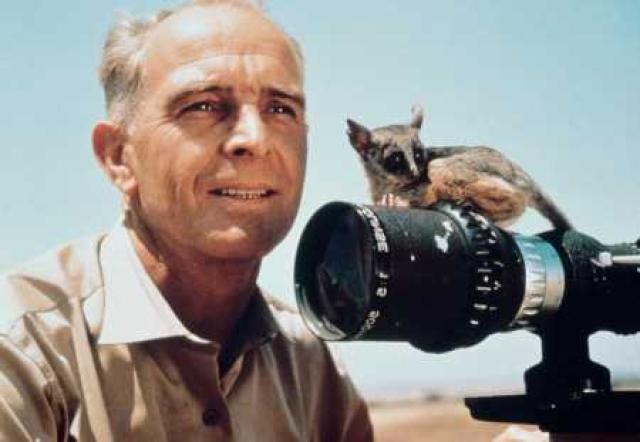
Grzimek became a renowned environmental advocate. He was instrumental in establishing the Serengeti as a national park in Tanzania, East Africa. In 1954, he founded Okapia, a wildlife research and photography agency.
Film and Writing
Grzimek's passion for wildlife extended to filmmaking. His Academy Award-winning film "Serengeti Shall Not Die" captivated audiences with its stunning footage and conservation message. He also authored numerous books on nature and animal conservation.
Later Years and Legacy
Grzimek served as director of the Frankfurt Zoological Garden for nearly 30 years and as president of the Frankfurt Zoological Society for 40 years. He passed away on March 13, 1987, while attending a circus performance in Frankfurt am Main. His ashes were buried in Tanzania beside his son Michael's grave, near the Ngorongoro Crater, a place they had studied extensively.
Bernhard Grzimek's legacy as a zoologist, writer, and conservationist continues to inspire generations with his unwavering dedication to wildlife and the preservation of our planet.