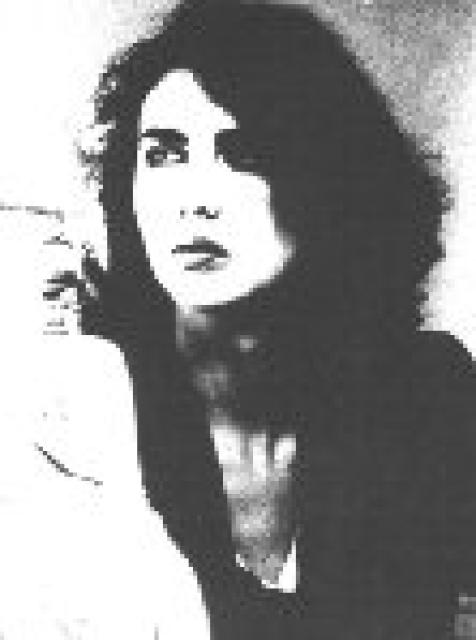
Blanka Andreu
 Spain
SpainBiography of Blanca Andreu
Blanca Andreu is a poetess known for her complex and literary style of writing. Her thoughts are expressed in a superior logical sequence with a predominance of unexpected metaphors. She was born in 1959 in La Coruña. She spent her childhood and youth in Orihuela (Alicante) and, at the age of 20, left the province, which she described as culturally barren in the title of her first collection of poems. She moved to Madrid, where she immediately became involved in influential literary circles. It was here that she met engineer and novelist Juan Benet, whom she was married to until his death in 1993. Andreu later returned to La Coruña, where she currently resides.
Writing Career and Awards
Andreu's passion for humanities led her to collaborate with various media outlets, which resulted in the publication of five poetry collections. These collections are considered to be among the most highly acclaimed Spanish poetic works of the last quarter of the 20th century. She has been awarded prestigious prizes such as the "Adonais" (1980) and the World Fernando Rielo Prize for Mystical Poetry for her work "Báculo de Babel" (1982). She was also honored with the Gabriel Miró Prize for short stories (1981) for her exceptional prose.
In the mid-1980s, Andreu gained popularity and was included in well-known anthologies of young Spanish poetry. Her works have been translated into French. In 2001, she won the International Laurea Mela Prize for Poetry for her work "La tierra es transparente" (Transparent Earth).
Selected Works
Among her notable poetic works are "De una niña de provincias que se vino a vivir en un Chagall" (Of a provincial girl who came to live in a Chagall) from 1983, "Báculo de Babel" (Babylon's Staff) from 1983, "Libro de las bestias. Primer fisiólogo" (Book of Beasts. First Physiologist) from 1984, "Capitán Elphistone" from 1988, and "Sueño oscuro" (Dark Dream) - a collection of poems from 1980-1989 published in 1994.
Andreu's writing style is known for its complexity, with thoughts expressed in a superior logical sequence and a predominance of unexpected metaphors. She is not afraid to experiment with free verse and occasionally creates prose poems. All of these elements, along with her experimental approach, place Andreu's poetic works in the same league as those of the great poets throughout history.


