Cheburashka
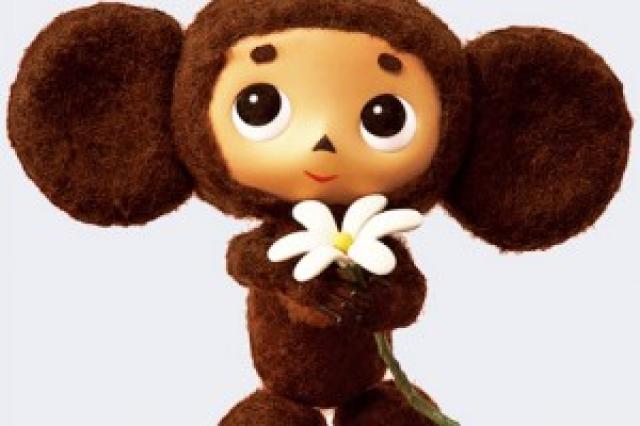
Cheburashka is a small, wide-eyed creature of unknown species whose oversized ears and gentle, curious nature made him one of the most recognizable characters in Soviet children’s culture. He first appeared in Eduard Uspensky’s 1966 book “Crocodile Gena and His Friends,” arriving in a crate of oranges from a tropical land and tumbling out when the fruit seller opened it. Unable to identify the strange animal, the seller gave him a name drawn from the Russian verb for toppling over.
From book to screen
Uspensky introduced Cheburashka as an endearing outsider: no one knows quite what kind of animal he is, and his unusual appearance initially makes it difficult for him to find a place in the world. He meets Crocodile Gena, a lonely zoo worker who places an advertisement looking for friends. The two form an unlikely partnership and build a circle of companions, including the mischievous old woman Shapoklyak.
The character’s fame grew enormously with the stop-motion film “Gena the Crocodile” in 1969 and its sequels. Director Roman Kachanov brought Uspensky’s stories to the screen, while animation artist Leonid Shvartsman gave Cheburashka the familiar rounded face, soft brown fur and huge ears. Klara Rumyanova’s gentle voice helped complete the character’s memorable screen presence.
Character and appeal
Cheburashka is curious, warm-hearted and eager to belong. His stories turn simple activities into lessons in companionship: finding friends, helping neighbors and making room for people who seem different. The character’s unfamiliarity is part of his charm; he is not a conventional hero with extraordinary powers, but a vulnerable newcomer who wins people over through kindness and persistence.
The name itself echoes this physical comedy. In Russian, “cheburakhnut’sya” can mean to tumble or topple, fitting a creature who repeatedly loses his balance. The author later gave the character a symbolic birthday of 20 August 1966, the date he associated with the book’s publication.
Cultural footprint
Cheburashka became a staple of Soviet animation, appearing in films released between 1969 and 1983. He later traveled far beyond the Soviet Union: Japanese screenings of the original cartoons helped build a devoted following, and Japanese animation and film adaptations followed. In Russia, his image appeared on toys, collectibles and sports merchandise; he served as the Russian Olympic team’s mascot from 2004 to 2010.
His enduring popularity comes from a rare mix of visual simplicity and emotional openness. Cheburashka can be read as a comic creature, a tender story about loneliness, or a symbol of the joy of finding one’s people. Across generations and languages, his appeal has remained the same: a stranger arrives, tumbles into a new world, and discovers that friendship can make a home anywhere.