Chelsea Manning
 USA
- From Oklahoma to the Army
- The WikiLeaks disclosures and court-martial
- Coming out and fighting for treatment
- A second period in custody
- Writing, politics and privacy work
- An unsettled legacy
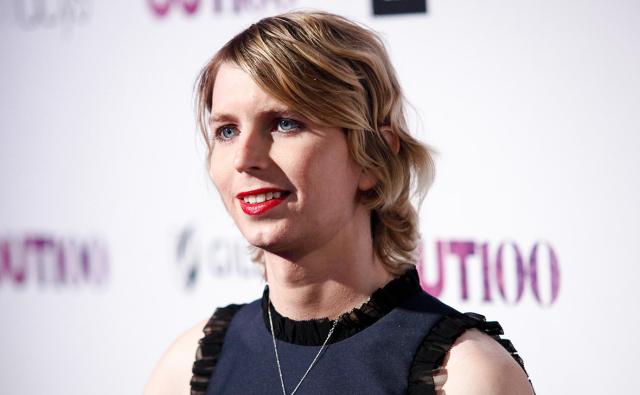
Chelsea Manning’s life has moved through several very different public roles: Army intelligence analyst, one of the most consequential sources of classified disclosures in modern U.S. history, a transgender woman who challenged military prison policy, and later an author and privacy technologist. Her decisions continue to stir debate about secrecy, public accountability and the risks of exposing government records.
From Oklahoma to the Army
Born on December 17, 1987, in Crescent, Oklahoma, Manning grew up in a small town before joining the U.S. Army in 2007. She trained as an intelligence analyst and, in 2009, was deployed to Forward Operating Base Hammer in Iraq. Her work involved reviewing information from different sources and preparing reports for military decision-makers.
In that role, she encountered large collections of military and diplomatic records. Manning later said that the material led her to question U.S. military policy and to believe that public access could prompt debate about war and foreign policy. The scale and consequences of what followed would make her name internationally known.
The WikiLeaks disclosures and court-martial
In 2010, Manning provided WikiLeaks with hundreds of thousands of government records, including Iraq and Afghanistan war logs, State Department diplomatic cables and military video. One video, showing a 2007 U.S. helicopter attack in Baghdad that killed civilians, including two Reuters journalists, was later released by WikiLeaks under the title “Collateral Murder.” The materials fueled global discussion about civilian casualties, detention practices and the conduct of the wars, while also raising serious questions about the unauthorized disclosure of classified information and the possible risks to people named in the records.
Manning was arrested in Iraq in May 2010. A military judge acquitted her of the most serious charge of aiding the enemy, but in July 2013 found her guilty of multiple other offenses, including violations of the Espionage Act. She received a 35-year prison sentence and a dishonorable discharge. In January 2017, President Barack Obama commuted most of the sentence, and Manning was released from military prison in May after serving about seven years.
Coming out and fighting for treatment
The day after her 2013 sentencing, Manning publicly identified herself as a woman and asked to be known as Chelsea. She began a legal and personal transition while incarcerated. Her pursuit of gender-affirming medical care became a prominent case about the treatment of transgender people in military custody; she challenged the Army’s initial refusal to provide the care she said she needed.
Her gender identity also reshaped how the public encountered her story. News coverage and activism often placed her at the intersection of transgender rights, prison conditions, whistleblowing and national security. Manning has since described the strain of being treated as a symbol, while also speaking openly about her own experience.
A second period in custody
Manning returned to jail in 2019 after refusing to testify before federal grand juries investigating WikiLeaks. She said she would not provide testimony she considered secret or protected by her principles. A judge held her in civil contempt and imposed daily fines as the detention continued. When the grand jury was discharged in March 2020 and her testimony was no longer needed, the court ordered her released. The episode renewed attention to the limits of compelled testimony and the personal cost of her stance.
Writing, politics and privacy work
After her first release, Manning became a public speaker and advocate on transparency, civil liberties and transgender rights. In 2018, she ran as a Democrat in Maryland’s U.S. Senate primary against incumbent Ben Cardin and finished with 5.8 percent of the vote. The campaign brought her public profile into electoral politics, though her later work moved toward writing and technology.
Her 2022 memoir, *README.txt*, revisits her childhood, Army service, the leak, imprisonment and life after release in her own voice. She has also worked in digital security and privacy, including as a consultant with Nym, a privacy-focused technology company. In 2025, she appeared at Mozilla Festival to discuss how assumptions about safety, identity and technology shape public life.
An unsettled legacy
Manning remains a polarizing figure. Supporters see the disclosures as an act that forced scrutiny of state conduct in wartime; critics focus on the breach of classification rules and the potential danger of making sensitive records public. Her court-martial and later detention made the legal and personal consequences unusually visible, while her memoir and technology work have allowed her to speak beyond the original case.
Her biography resists a single label. It is a story of an intelligence analyst who made a historic disclosure, a prisoner who fought for recognition and medical care, and a public figure who has continued to work in privacy and security. The argument over how to judge her actions has never fully settled, and Manning’s own efforts to describe the person behind the headlines remain part of that continuing conversation.