Combo Ayouba
 Comoros
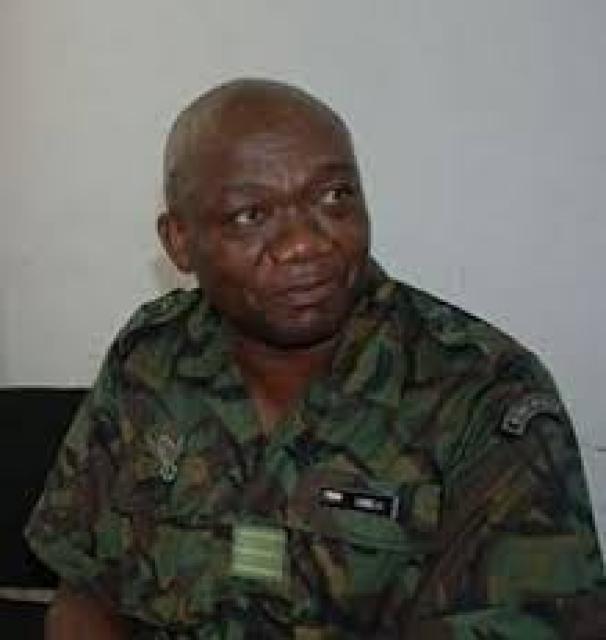
Combo Ayouba was a Comorian army officer who briefly led the country’s Transitional Military Committee during the 1995 coup. Known in contemporary reports as Captain Ayouba Combo, he rose to national prominence during a turbulent period in the Comoros, an Indian Ocean archipelago whose post-independence politics had been marked by repeated coups and attempted coups.
Early military career
Ayouba served in the Comorian security forces and was associated with the presidential guard. His name entered international reporting in 1993, when Amnesty International included him among military officers detained after an abortive 1992 coup attempt. Contemporary accounts of the 1995 events reported that he had been released from prison during the takeover and had helped organize it from his cell.
The 1995 coup
On 28 September 1995, French mercenary Bob Denard and a group of armed Comorians seized key sites in the capital, Moroni, detained President Said Mohamed Djohar, and freed prisoners. Ayouba emerged as one of the coup’s principal Comorian officers. He announced a Transitional Military Committee and said it would maintain order until an interim government and multiparty elections could be arranged.
For several days, Ayouba was the public face of the new military administration. He presented the committee as a temporary measure and spoke of restoring political pluralism. His position, however, depended on a coup organized with Denard’s foreign mercenaries, a fact that drew opposition at home and condemnation abroad. Ayouba defended Denard’s role in public statements, while also saying that the foreign fighters would not govern the country.
The takeover ended quickly. French forces launched Operation Azalée and intervened on 3 October, bringing the coup to an end and taking Denard and his associates into custody. Ayouba’s committee had held power for only a few days. President Djohar was released, and a transitional political arrangement followed before new elections.
Later service and death
Ayouba continued his military career after the brief period in power. By 2010, he held the rank of colonel and was a senior officer in the Comorian army’s National Development Army. He was killed at his home in Moroni on 13 June 2010. News reports described the killing as an assassination by unidentified attackers; the circumstances and motive were not established in the initial accounts.
Ayouba’s historical profile remains closely tied to the 1995 coup: an officer who briefly headed a military committee during a takeover driven in part by foreign mercenaries, and who later returned to senior service in the Comorian military.