Diodotus I
- The Founder of the Greco-Bactrian Kingdom: Diodotus I
- Origins and Rise to Power
- Declaration of Independence
- Numismatic Evidence of Transition
- Conflict with Parthia
- Alliance and Royal Title
- Legacy and Succession
The Founder of the Greco-Bactrian Kingdom: Diodotus I
Diodotus I, the enigmatic founder of the Greco-Bactrian Kingdom, emerged as a prominent figure in the aftermath of Alexander the Great's conquests.
Origins and Rise to Power
The exact origin and political career of Diodotus I remain shrouded in mystery. It is believed that he initially served as satrap of Bactria within the Seleucid Empire. Seizing an opportune moment amidst Antiochus II Theos' preoccupation with a conflict with Ptolemy II Philadelphus, Diodotus launched a rebellion around 250 BC (or 256 BC according to some accounts).
Declaration of Independence
By declaring himself independent from the Seleucids, Diodotus I paved the way for the establishment of the first independent Greco-Bactrian kingdom. Simultaneously, Andragoras declared the autonomy of Parthia, potentially signaling an alliance against Seleucid rule.
Numismatic Evidence of Transition
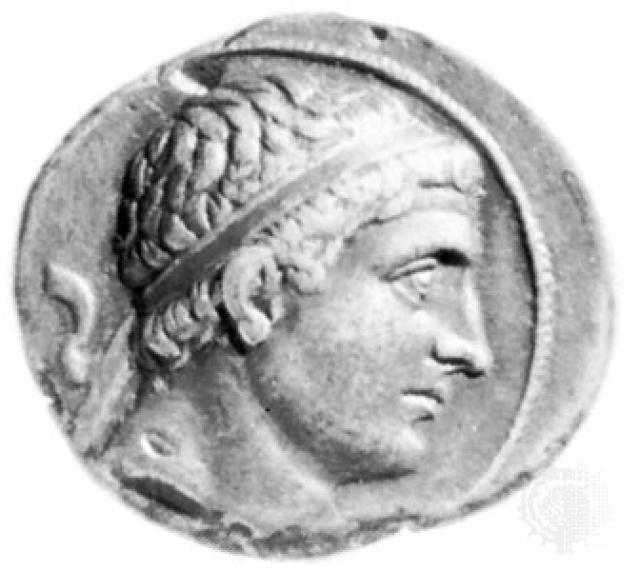
Numismatic evidence provides insights into Diodotus' gradual rise to power. Initially, coins minted in Bactria bore the name of "King Antiochus" and maintained a Seleucid design. Subsequently, these coins featured an unknown ruler on the obverse while retaining Apollo on the reverse. Eventually, the legend changed to "King Diodotus."
Conflict with Parthia
One of the few known events during Diodotus I's reign was his confrontation with the Parthian king Arsaces I. Strabo records this conflict, albeit with limited details. It is speculated that a clash occurred during the invasion of Parthia by the Parni, which traversed through Diodotus' territory of Margiana.
Alliance and Royal Title
According to Justin, Diodotus reportedly sought an alliance with Seleucus II after Arsaces captured Hyrcania. In return for Diodotus' support, Seleucus may have bestowed upon him the royal title. W.W. Tarn further suggests that Seleucus offered his sister Laodice in marriage to Diodotus.
Legacy and Succession
The circumstances surrounding the end of Diodotus I's reign remain unknown. Upon his death, he was succeeded by his son, Diodotus II. In later years, Diodotus I was venerated as "Saviour" or "God" for his role in establishing an independent Bactria.




