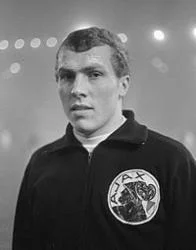
Dmitriy Demyanenko
- From Zaporizhzhia to the professional game
- A career across Ukrainian clubs
- A short chapter abroad
- A working professional
Dmitry (Dmytro) Demyanenko was a Ukrainian football defender whose career stretched from the final years of Soviet football into the early decades of independent Ukraine. Born in Zaporizhzhia on June 11, 1969, he built a long professional career across clubs in Odesa, Simferopol, and his home region, with a brief spell in Israel along the way.
From Zaporizhzhia to the professional game
Demyanenko developed in the youth system of Lokomotiv Zaporizhzhia before beginning his senior career with SKA Odesa. He played there from 1988 to 1990, gaining experience in the Soviet-era game. In 1991 he joined Spartak Moscow’s reserve side, making several appearances, before returning to Ukraine to represent Chornomorets Odesa.
A career across Ukrainian clubs
As Ukrainian football took shape after independence, Demyanenko continued to move between clubs. His career included spells with SKA Odesa and Dnipro Dnipropetrovsk, followed by Viktor Zaporizhzhia. He later became associated with Tavriya Simferopol, for whom he made dozens of league appearances over a period that extended into the early 2000s.
His playing record also includes Dynamo Saky, Titan Armyansk, Dynamo Simferopol, and Torpedo Zaporizhzhia. Like many defenders in the developing Ukrainian league, he contributed through steady work across multiple teams rather than a single long, high-profile stint.
A short chapter abroad
Demyanenko also played in Israel, representing a club listed in records under variant names connected with Ness Ziona and Rishon LeZion. The overseas spell formed a brief part of a career otherwise centered on Ukrainian football.
A working professional
There is little widely published information about Demyanenko’s life away from the pitch, and his career is best traced through club and league records. Those records place him among the professional defenders who helped give the new Ukrainian league depth during its formative years, as players carried their experience from the Soviet system into a changed football landscape.