Eberhart Conze
 Great Britain
- Early Life and Education
- Politics and Activism
- Academic Career
- Buddhist Studies and Practice
- Influence and Legacy
- Personality and Views
- Conclusion
Early Life and Education
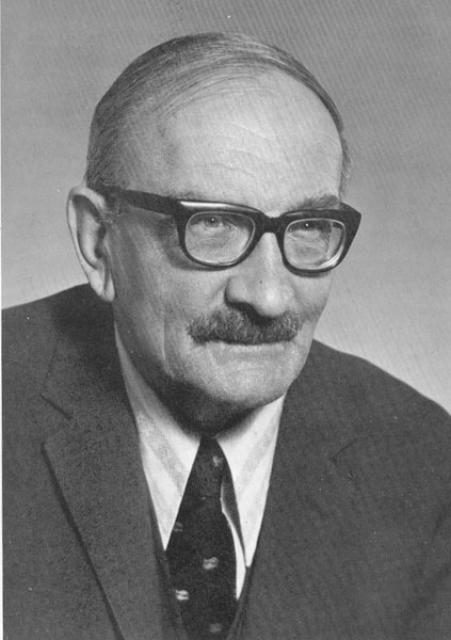
Edward Conze, born in 1904 in London, was an Anglo-German scholar renowned for his contributions to Buddhist studies. His German aristocratic father and Protestant mother influenced his early beliefs. By 24, Conze had mastered fourteen languages, including Sanskrit. He studied at German universities and received a doctorate in philosophy from Cologne University in 1928.
Politics and Activism
Conze became a fervent anti-Nazi and joined the Communist Party due to his strong beliefs. As a leading Communist figure in Bonn, he organized strikes, putting his life at risk. In 1933, he returned to England as an ardent socialist, publishing anti-war and anti-fascist books with Ellen Wilkinson. However, he became disillusioned with politics and experienced a mental health crisis.
Academic Career
From 1933 to 1960, Conze lectured in psychology, philosophy, and comparative religion at London and Oxford Universities. He held academic positions in Germany and the US from 1963 to 1973, while also teaching at Lancaster University's Department of Religious Studies.
Buddhist Studies and Practice
Conze's interest in Buddhism began at age 13. During World War II, he deepened his knowledge through the works of D.T. Suzuki. He dedicated his life to translating Mahayana Buddhist texts, including the Prajñāpāramitā sūtras. Despite his scholarship, Conze practiced meditation and emphasized that he was a Buddhist scholar, not a monk.
Influence and Legacy
Conze's seminal book, "Buddhism: Its Essence and Development," remains a popular introduction to Buddhism. He translated 30 Prajñāpāramitā-sutras, including the Diamond and Heart Sutras. He was a respected figure in the Buddhist community, serving as vice-president of the Buddhist Society.
Personality and Views
Conze was a multifaceted and provocative intellectual. He identified as an elitist, criticizing democracy and feminism. His autobiography "Memoirs of a Modern Gnostic" revealed his adherence to gnosticism. He challenged the notion of the detached scientist and pioneered the practice-informed approach to Buddhist scholarship.
Conclusion
Edward Conze's contributions to Buddhist studies are immeasurable. His translations and scholarly works have made Buddhist thought accessible to Western readers. As a scholar-practitioner, he bridged the gap between academic study and the lived experience of Buddhism, inspiring generations of students and scholars. Conze's complex life and beliefs continue to provoke thought and challenge preconceptions about what it means to be a Buddhist scholar today.