Eduard Galifaks
 Great Britain
- Early Life and Education
- Political Beginnings
- Viceroy of India
- Foreign Secretary
- World War II and Later Career
Early Life and Education
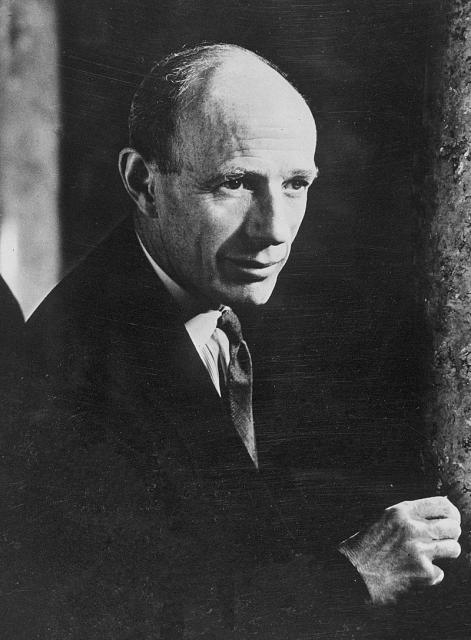
Edward Frederick Lindley Wood, 1st Earl of Halifax, was born in 1881, the fourth son of the 2nd Viscount Halifax. Three of his older brothers died before 1890, leaving him as the eldest surviving son. Born with a deformed left hand, he overcame this physical limitation and excelled academically. Halifax received his education at Eton and Christ Church, Oxford.
Political Beginnings
In 1910, Halifax entered politics as a Conservative Member of Parliament for Ripon. He held various ministerial positions, including President of the Board of Education (1922-1924; 1931-1935) and President of the Board of Agriculture (1924-1925). His early career was marked by a moderate approach and a commitment to reform within the Conservative Party.
Viceroy of India
In 1926, Halifax was appointed Viceroy of India. During his tenure, he implemented repressive measures against the nationalist movement while simultaneously attempting to strengthen British rule through constitutional reform. He faced criticism from both Indian nationalists and British conservatives.
Foreign Secretary
Halifax served as Foreign Secretary from 1938 to 1940. He supported Prime Minister Neville Chamberlain's appeasement policy towards Nazi Germany and was one of the architects of the Munich Agreement of 1938. However, Halifax later reversed his stance and became a staunch advocate for resistance against the Axis powers.
World War II and Later Career
After World War II broke out, Halifax joined Winston Churchill's war cabinet and served as Ambassador to the United States from 1941 to 1946. As Ambassador, he played a crucial role in strengthening the Anglo-American alliance. From 1947 to 1953, Halifax chaired the General Advisory Council of the BBC. He passed away in 1959, leaving behind a legacy of complex political maneuvering and staunch patriotism.