Elena Fokina
 Russia
Biography of Elena Fokina
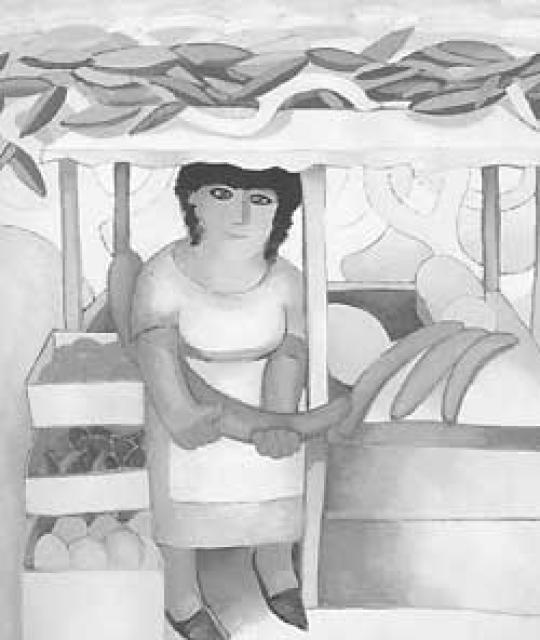
Elena Fokina is a contemporary artist of the new generation. She finds pure joy in painting with colors, and it is her ultimate pleasure. On her birthday, she often finds herself feeling down, unlike most people who celebrate the occasion. However, one day, her friend Ilya surprised her with a gift that changed her mood entirely. It was an album filled with the artwork of Elena Fokina.
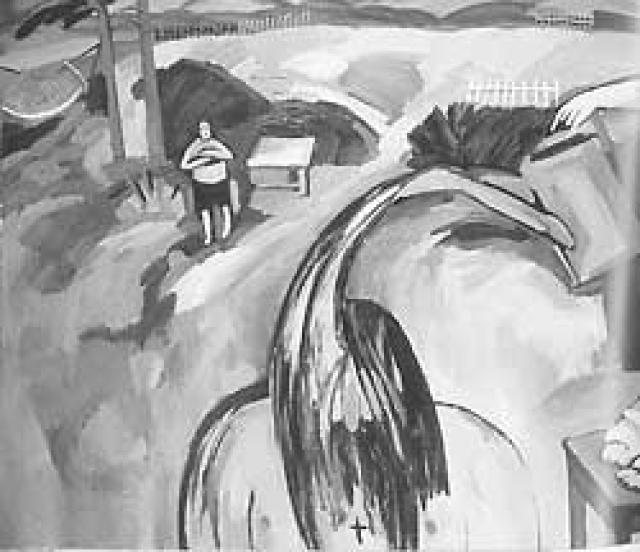
As she flipped through the pages, she felt a sense of wonder and awe. In that moment, she realized the profound truth that beauty truly has the power to save the world, as Dostoyevsky had once said. Lena felt that it had already saved her. The vibrant and sunny paintings by Lena filled her heart with joy, dispelling her birthday blues.
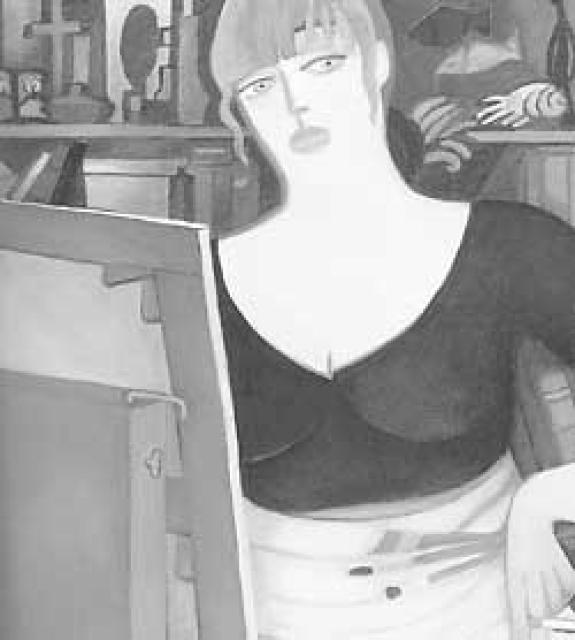
At the end of the album, Lena read reviews from friends and grateful viewers, stating that Elena Fokina had the gift of seeing a world free from bitterness and had the ability to share that impression with others. Lena realized that Elena saw the same things they did, but she saw them as joyful subjects for her artwork. And when people looked at Elena's paintings, they felt the same joy, recognizing the beauty in the variety of things, people, trees, seas, and animals that exist in the world.
In an interview, Lena was asked about her approach to painting and whether she captures "unconditional pleasures" from life. Lena responded that she always paints with joy because it is the purest form of pleasure for her. She hopes that this joy is transmitted to the viewers as well. In her youth, she used to paint gloomy and emotionally charged pictures, thinking that her inner turmoil would be interesting to others. However, she later realized that this was a common misconception of youth.
Lena was then asked about her favorite subjects to paint. She replied that they periodically change, giving an example of a period where she painted only pears for two and a half years. When asked if they were ordinary edible pears, she confirmed that they were. She had enough paintings to create an entire exhibition dedicated to pears at the Central House of Artists. When asked why pears, Lena couldn't provide a specific reason. It was simply the fact that she saw them not just as objects of desire but as characters with faces, figures, textures, and personalities.
The interviewer asked if Lena endowed pears with souls and personalities, to which she responded that it is impossible to give inanimate objects a divine soul, but she could certainly give them characters. She mentioned her favorite artist, Marandi, who collected various objects, arranged them in interesting still life compositions, and painted the relationships between them. This created a Mexican soap opera-like series where the characters were objects. Lena found this to be a fascinating game that still life artists play.
The interviewer then brought up Marandi's habit of burying old brushes and asked Lena about her thoughts on art that requires explanations from art guides, such as Malevich's "Black Square" or some of Salvador Dali's works. Lena believed that the responsibility lies not with the artist but with the viewer. Some viewers need everything to be explained to them, and dealers even have a term for it called "native language." Lena expressed that the reason why Shishkin's paintings are beloved is because they are familiar from childhood, associated with memories and emotions.
Lena expressed her belief that all forms of art have the right to exist. As her friend Mitek once said, "You can draw anything as long as you're not ashamed to show it to your mother." For Lena, every artwork should be a praise to God, not because of the subject but because of the artist's attitude towards what they create and what has been created by God.
When asked if she prefers to paint beautiful or unconventional people, Lena replied that it depends on how beauty is defined. She believed that the beauty of a person lies not only in their physical features but also in their depth of character. In her opinion, the latter is more beautiful and interesting.
Lena was known for her belief in the authenticity of vibrant colors. She did not believe that shadows were necessary for credibility. In art school, children are taught that colors should always be complex. However, Lena learned from her time in North Africa that anything is possible in color. Open white, open blue, open red can exist.
Lena was asked about the importance of art school for an artist. She compared it to someone who loves and feels the water but does not know how to swim. A coach is necessary. The same goes for painting. Art school provides the technique. In principle, even a hare can be taught to draw. The key is knowing "how." However, once the technique is mastered, the question becomes "what" to draw.
The interviewer inquired about the difference between "female" and "male" literature and whether the same applies to painting. Lena agreed that the same applies to painting, but the influence on creativity is not based on gender but on the artist's mindset. Sometimes, men can create art that resonates with traditionally feminine traits, just as women can paint in a traditionally masculine style.
Lastly, the interviewer asked Lena if excessive praise can lead to the loss of talent. Lena believed that talent can be lost if an artist focuses solely on the financial gain. As long as the artist maintains a genuine love for their craft, talent can flourish.