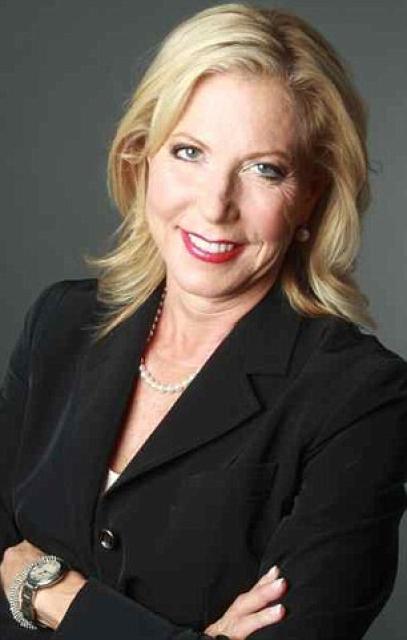
Erika Schwartz
 Great Britain
Biography of Erica Schwartz
Dr. Erica Schwartz is a doctor of medical sciences and a proponent of bio-identical hormone replacement therapy. She strongly recommends the idea of "Eat to Beat Menopause," stating that there is no need for a boring diet and that one can raise hormone levels with just a few steps while still indulging in delicious food.
Dr. Schwartz firmly believes in the healing power of bio-identical hormones, which are derived from plants and have the same chemical composition as the hormones produced by our bodies. According to her, natural hormones are a wonderful and reliable way to address hormonal imbalances, whether it be acne, premenstrual syndrome, or menopause symptoms such as hot flashes and mood swings.
However, Dr. Schwartz adds that simply consuming the right foods will not yield visible results if one neglects or obsesses over physical exercise, sleep, and stress management.
Hormonally Balanced Diet
Dr. Schwartz has developed a hormone-balanced diet that is gentle, realistic, and achievable, and she believes that it can work for both men and women, regardless of age. She emphasizes the importance of understanding how food affects our hormonal balance and maintaining good health.
According to Dr. Schwartz, it is essential to include protein, beneficial fats, fiber, and limited amounts of sugar and saturated fats in our diet. She does not completely forbid saturated fats or sugar, as she acknowledges the challenges of giving up unhealthy habits. However, she highlights that as we age, our bodies pay the price for every bag of chips and glass of wine. The recovery process may take longer, and the results may only be partial.
By following Dr. Schwartz's advice, individuals can help themselves stay healthy and maintain their hormonal balance, which is crucial for their well-being. She urges people to eat small portions every three to four hours to balance blood sugar levels and prevent insulin spikes. These spikes can disrupt other hormones, including estrogen and progesterone.
Dr. Schwartz also recommends having a modest dinner to aid digestion and promote quality sleep, which is essential for restoring energy and balancing hormones. Including vegetables in every meal is another key suggestion, as vegetable fiber acts as a hormone savior by regulating blood sugar levels and combating inflammation, which is a precursor to aging.
Refined sugars, such as pastries, cookies, ice cream, and even white pasta and rice, are considered the enemies by Dr. Schwartz. These sugars influence insulin, which, in turn, affects other hormones. Teenagers may experience acne, while women going through menopause may suffer from hot flashes, migraines, joint pain, and the loss of waistline.
Furthermore, middle-aged men who indulge in excessive sugar may gradually lose their sexual abilities without realizing it until it suddenly becomes apparent. To avoid such consequences, individuals should switch from pastries to vegetables, whole grain bread, seeds, beans, and low-sugar fruits.
Dr. Schwartz emphasizes the importance of protein intake, as it plays a crucial role in hormone production and maintaining a happy hormonal balance. Protein aids in muscle building and helps individuals remain strong and energetic, regardless of their age. Good sources of protein include chicken, fish, beans, nuts, seeds, and tofu. However, meat and dairy products like cheese are better consumed only once a week.
Other Considerations
Dr. Schwartz advises limiting coffee intake to one cup per day, or better yet, switching to tea, which contains less caffeine. Caffeine is known to stimulate the nervous system and affect hormones in the female body. Additionally, caffeine can increase breast sensitivity and may lead to the faster excretion of calcium and magnesium from the body.
She also urges individuals never to allow themselves to go hungry, as the stress response can disrupt hormone balance. Avoiding "bad boys" like coffee, alcohol, and carbonated drinks (both regular and sugar-free) is recommended, along with reducing bread consumption and avoiding overeating or ordering desserts.
Dr. Schwartz encourages individuals to choose something simple or hormone-friendly when indulging in special occasions. By prioritizing good sleep and physical exercise, one can still protect their hormonal balance, even when allowing occasional treats.
Lastly, returning to the primary topic of the article, menopause symptoms, Dr. Schwartz reminds readers of the benefits of isoflavones, genistein, daidzein, and other soy derivatives. These substances contain phytoestrogens, whose molecular composition resembles human estrogen. Therefore, they can alleviate some symptoms of estrogen deficiency.


