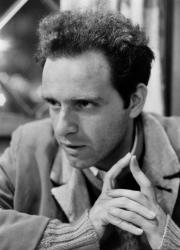
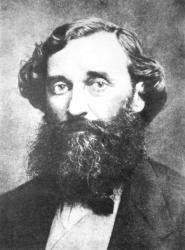
Ernst Bevin
 Great Britain
Biography of Ernest Bevin
Early Life and CareerErnest Bevin was a British trade union leader and statesman. He was born on March 9, 1881, in Winsford, Somerset. Bevin's parents passed away when he was just seven years old. He left school at the age of 11 and worked on a farm. In 1894, he moved to Bristol and worked as a truck driver. Later, he became a Baptist preacher.
Trade Union Leadership
By 1914, Bevin was one of the three leading organizers of the national trade union movement. In 1918, he ran for parliament as a member of the Labour Party. In 1921, he initiated the merger of transport unions and the creation of a national union for unskilled and municipal workers. As the general secretary of the union, Bevin did not oppose the unsuccessful general strike in 1926, although he believed it was poorly prepared. In 1930, Bevin became a member of the Macmillan Commission on the national financial and banking system, and in 1938, he actively participated in consultations with the government on rearmament.
Political Career
In the years leading up to World War II, Bevin opposed pacifists within the Labour Party and in 1935, he managed to force the resignation of their leader in parliament, J. Lansbury. Bevin was against the Munich Agreement and supported the armament of Britain. Soon after the start of World War II, Bevin was elected to parliament and became the Minister of Labour in Winston Churchill's coalition government. After the war, Bevin stepped down from his position to participate in the 1945 elections. He became the Foreign Secretary in Clement Attlee's Labour government and participated in the Berlin Conference of the leaders of the three nations. He advocated for the preservation of the British Empire and an aggressive and firm foreign policy.
International Relations
In an effort to prevent Soviet expansion into Europe during the Cold War, Bevin worked closely with the United States and supported the Marshall Plan to rebuild war-torn economies in Europe. He played an active role in the establishment of the Western European Union (Brussels Pact of 1948) and the North Atlantic Treaty Organization (NATO) in 1949. However, his proposal to turn Palestine into a federated state for Jews and Arabs was rejected by both groups.