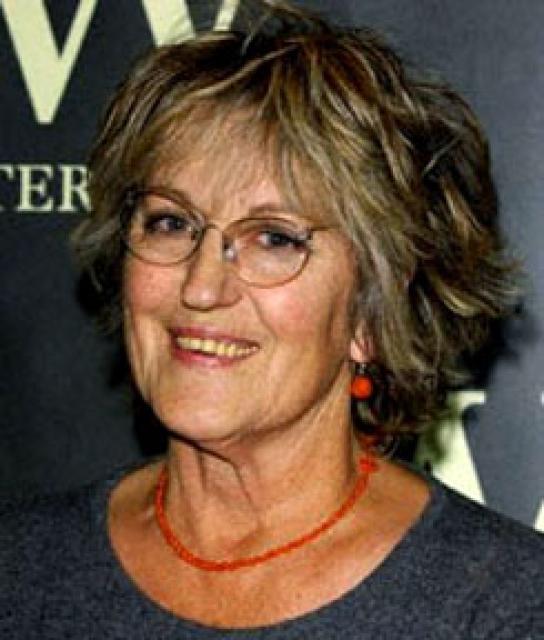
Germaine Greer
British writer, journalist, academic and television presenter
Date of Birth: 29.01.1939
Country:  Australia
AustraliaBiography of Germaine Greer
Early Life and Education
Germaine Greer, a British writer, journalist, scholar, and television presenter, was born on January 29, 1939, in Australia. She grew up in the suburbs of Melbourne, where her father worked in the insurance industry and served in the Australian Army during the war. Greer attended the Star of the Sea College, a private girls' school in Gardenvale. In 1956, she won a teaching scholarship and enrolled in the University of Melbourne to study French and English literature.
Activism and Academic Career
After completing her university studies, Greer moved to Sydney, where she became associated with the "Sydney Push," a club comprising predominantly left-leaning intellectuals. She soon embraced anarchocommunist views. Greer began teaching at the University of Sydney and successfully defended her doctoral dissertation on the development of Byron's satirical method. Her dissertation later won the prestigious "CSFP" national prize. Greer used the prize money to pursue a doctorate at Cambridge University.

Writing and Media Career
During her time at Cambridge, Greer joined the amateur student group "Cambridge Footlights," which gained her attention from the London press. Under the pseudonym Rose Blight, she started writing a column for the satirical magazine "Private Eye" and became a regular correspondent for the London-based "Oz" magazine, owned by Australian writer Richard Neville, using the pen name "Doctor G." In the late 1960s and early 1970s, several nude photographs of Greer were published in "Oz" and the Dutch magazine "Suck," which she herself edited.

Greer extensively wrote about women's rights, sexuality, and advocated feminist ideas. In 1970, her book "The Female Eunuch" was published and became an instant bestseller. It was later translated into eight languages. Greer embarked on a worldwide tour in support of the book, spending two years in Asia and Africa. In New Zealand, she even caused controversy when she was arrested for using explicit language during her speech.

Later Activities and Current Life
Greer's charisma was evident during her debate with American conservative William F. Buckley, where she was able to dominate the conversation. Throughout this time, Greer continued to engage in various art forms, publish magazines, and in 1979, she became the director of the Center for the Study of Women's Literature. In 1989, she served as a special lecturer at Cambridge, but negative attention followed after she publicly ridiculed her transgender colleague Rachel Padman. After an unsuccessful opposition to those supporting Padman, Greer was labeled as a "sister without sisterly feelings" and disappeared from the media spotlight. Today, Greer is retired but still involved in her professorial activities.