Gioacchino Conti
 Italy
ItalyBiography of Gioacchino Conti
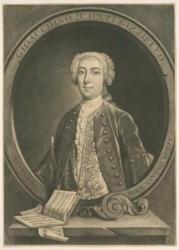
Gioacchino Conti, also known as Gizziello, was an Italian opera singer, a castrato soprano, known for his immense vocal range and impeccable technique. He was born on February 28, 1714, in Arpino, Italy. At the age of 7, he underwent castration, a procedure that was already officially punishable at that time. To save him, it was announced that the boy was seriously ill and could only be saved through this procedure.
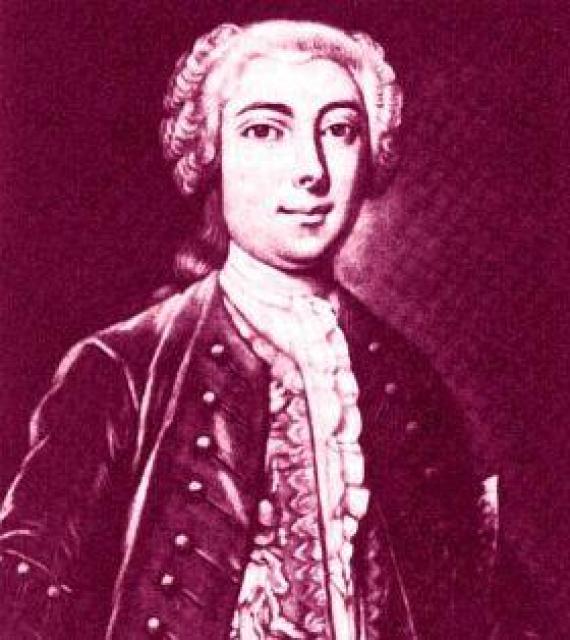
Conti spent about seven years in Naples, at the house of Domenico Gizzi, an Italian castrato singer, composer, and vocal teacher, where he received free education. He adopted the nickname Gizziello, which means "little Gizzi," in honor of his teacher, following the tradition that existed in the singing community at that time.
At a young age, Conti made his debut in Rome in Leonardo Vinci's opera "Artaserse" in 1730. He quickly became a favorite of the public, and his singing brought tears to the eyes of experienced Roman spectators. Conti's fame spread throughout Italy, and thanks to his popularity, he met another famous castrato singer, Caffarelli, who was a student of Nicola Porpora.
It is said that Caffarelli, who was performing in Naples at the time, specifically traveled to Rome to hear Conti's singing and was so impressed that he couldn't contain himself and shouted "bravo." He immediately returned to Naples. This story is even more surprising because Caffarelli, who did not have a friendly character, did not usually treat his colleagues and competitors kindly. However, this enthusiasm lasted for a short time, and within a few years, Caffarelli insisted that Conti should not have the opportunity to sing with him in the same production.
Meanwhile, Conti's career and growing popularity ensured successful performances throughout Europe, particularly in Vienna and especially in London, where he went upon the invitation of George Frideric Handel. Conti had a long and fruitful collaboration with Handel, which was interesting for both the singer and the composer, as Handel had never before written arias for a castrato soprano. Conti performed in many of his works, such as "Atalanta," "Giustino," "Berenice," "Arminio," and also in the revived production of "Ariodante."
Later, he participated in premieres by the best composers of his time, including the premiere of Niccolò Jommelli's opera "Manlio" in 1746, Baldassare Galuppi's "Artaserse" in 1751, and Johann Adolf Hasse's "Demetrio" in 1747. Conti had a very successful career in Spain, where he was considered absolutely charming, and he often sang in the presence of the king and queen. He then returned to Italy.
After 1759, Conti retired from the stage and settled in Rome, where he spent the last two years of his life. He never had robust health, was religious and humble, and did not possess the manners that many of his colleagues did. Among his students were many singers with excellent vocal technique, which speaks to Conti's excellence as a teacher. He passed away on October 25, 1761.