Greg Winter
- Education and Early Research
- Phage Display and Human Antibodies
- From the Laboratory to Biotechnology
- A New Toolkit for Medicine
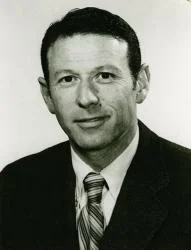
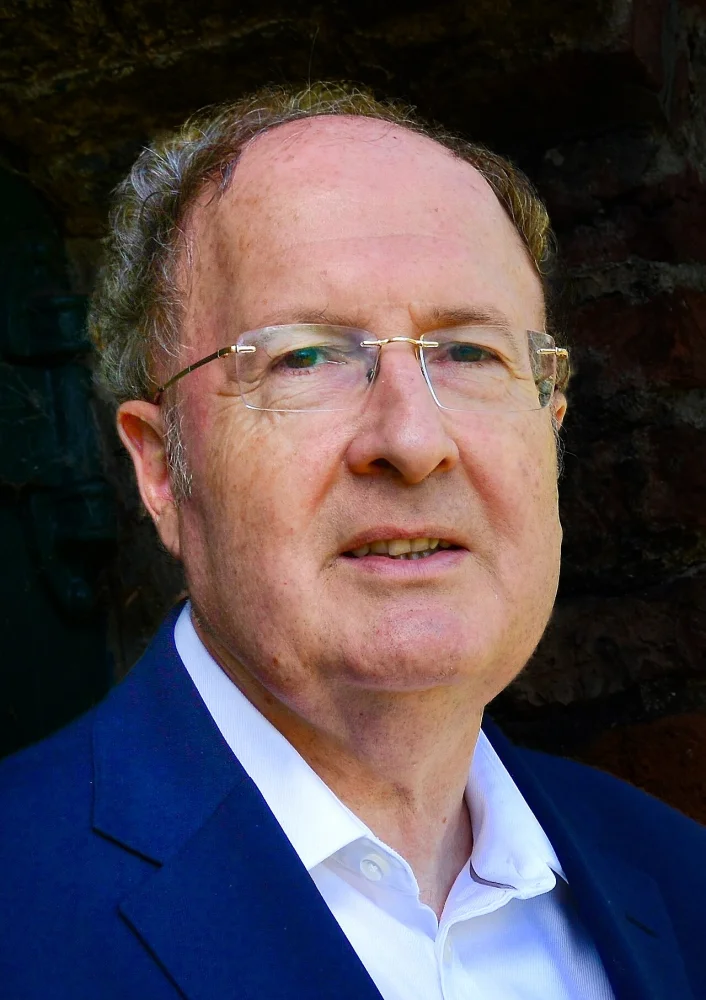
Greg Winter transformed antibody research by showing how protein engineering and phage display could help create medicines tailored to bind specific targets. A British biochemist based for much of his career at Cambridge’s Laboratory of Molecular Biology, he developed methods for making antibodies more suitable for treatment in people. The work helped establish a new path from laboratory discovery to antibody therapies and earned him a share of the 2018 Nobel Prize in Chemistry.
Education and Early Research
Gregory Paul Winter was born in Leicester on 14 April 1951. He spent part of his childhood in Ghana, where his father worked, before attending school in Britain. His interest in chemistry and biology led him to Trinity College, Cambridge, where he studied natural sciences and graduated in 1973. He completed a doctorate in protein chemistry at Cambridge in 1976.
Winter joined the Medical Research Council’s Laboratory of Molecular Biology (LMB) in Cambridge, a center known for research at the meeting point of biology, chemistry, and medicine. His early work included protein and nucleic-acid sequencing. He also contributed to research that determined the genetic sequence of the influenza virus.
A central challenge in therapeutic antibody research was that antibodies produced in mice could recognize a disease target but might provoke an unwanted immune response when given to human patients. Winter and his colleagues developed ways to modify mouse antibodies by transferring the target-binding portions into a largely human antibody framework. This “humanization” work helped make antibody medicines more practical for clinical use.
Phage Display and Human Antibodies
Winter’s best-known research built on phage display, a technique pioneered by George Smith. Bacteriophages are viruses that infect bacteria; by linking antibody fragments to proteins on a phage’s surface, researchers can connect each fragment’s binding behavior with the genetic instructions that produced it. A large collection of different phages can then be screened to find molecules that attach to a chosen target.
Winter and his collaborators adapted the approach to select and improve antibodies. Their work made it possible to search large libraries of antibody variants and isolate fully human antibodies with useful binding properties. Instead of relying on a mouse antibody and then altering it, researchers could identify human antibody candidates directly and refine their fit to a target.
These techniques helped launch a new generation of antibody-based medicines. The approach supported the development of treatments for cancer, autoimmune conditions, and other diseases, and made antibody discovery more adaptable to different targets. In 2018, Winter shared the Nobel Prize in Chemistry with George Smith for the phage display of peptides and antibodies; Frances Arnold received the other half of the prize for directed evolution of enzymes.
From the Laboratory to Biotechnology
Winter helped carry antibody engineering into the biotechnology sector. In 1989, he co-founded Cambridge Antibody Technology, which developed therapeutic antibodies using phage display. The company became publicly traded and was acquired by AstraZeneca in 2006. He later co-founded Domantis, focused on antibody fragments; GlaxoSmithKline acquired it in 2007.
He also co-founded Bicycle Therapeutics, which develops medicines based on small proteins called bicyclic peptides. These ventures reflect his long-standing interest in turning molecular biology into useful treatments, alongside his work in academic research.
At Cambridge, Winter held senior scientific roles at the LMB and the Centre for Protein Engineering. From 2012 to 2019, he served as Master of Trinity College. He was knighted in 2004 for services to science.
A New Toolkit for Medicine
Winter’s impact lies both in individual discoveries and in the research tools he helped create. Humanized antibodies and phage display gave scientists ways to design and select molecules with greater precision, while also connecting fundamental protein science to drug development. His career shows how a laboratory method can reshape the search for treatments when it is paired with a clear understanding of how proteins recognize one another.