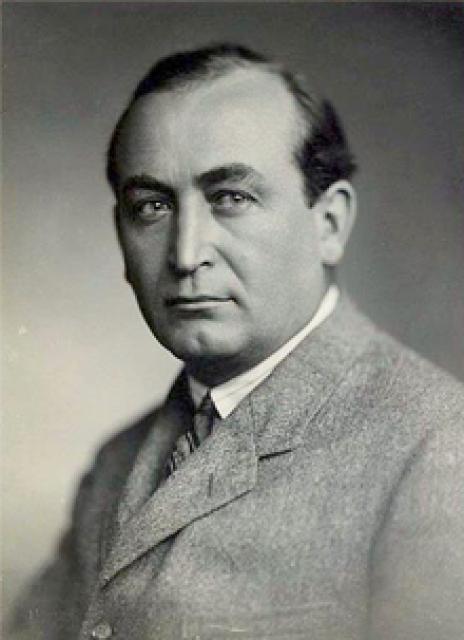
Gyula Gombos
 Hungary
- Gyula Gömbös: A Hungarian Nationalist and Far-Right Politician
- Anti-Communist Activities
- Fascist Ideologies and Economic Recovery
- Foreign Policy and Revisionism
- Death and Legacy
Gyula Gömbös: A Hungarian Nationalist and Far-Right Politician
Early Life and Military CareerGyula Gömbös was born in Murga, Hungary, in 1886. He served in the Austro-Hungarian army and reached the rank of captain during World War I. Gömbös became a vocal advocate for Hungarian independence.
Anti-Communist Activities
In 1919, Gömbös organized the Hungarian National Defense Association, a far-right paramilitary group that fought against the Hungarian Soviet Republic. He established a strong relationship with Miklós Horthy in Szeged, which became a center of anti-communist resistance. After the overthrow of the Soviet Republic, Gömbös was complicit in the White Terror and anti-Semitic measures.
Fascist Ideologies and Economic Recovery
During the 1920s, Gömbös promoted the establishment of a totalitarian dictatorship in Hungary, modeled after Italy's fascist regime. In 1929, he was promoted to major general and appointed Minister of Defense. Gömbös became Prime Minister in 1932, after the resignation of Gyula Károlyi's cabinet. He initiated economic reforms that helped alleviate the effects of the Great Depression, and industrial production reached pre-crisis levels by 1935.
Foreign Policy and Revisionism
Gömbös's main foreign policy objective was the revision of the Treaty of Trianon, which had limited Hungary's territory after World War I. He aligned with Germany and Italy, and became the first head of state to visit Nazi Germany in 1933. In 1935, Hungary and Germany signed a secret agreement on cooperation that included plans to dismember Czechoslovakia.
Death and Legacy
Gömbös died in Munich on October 6, 1936, due to kidney failure. He had reportedly been planning to ban the Social Democratic Party and nationalize trade unions. Gömbös is remembered as a controversial figure in Hungarian history, known for his far-right ideologies, anti-communist stance, and efforts to strengthen Hungary's military and diplomatic position.