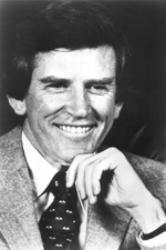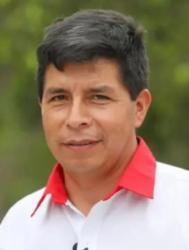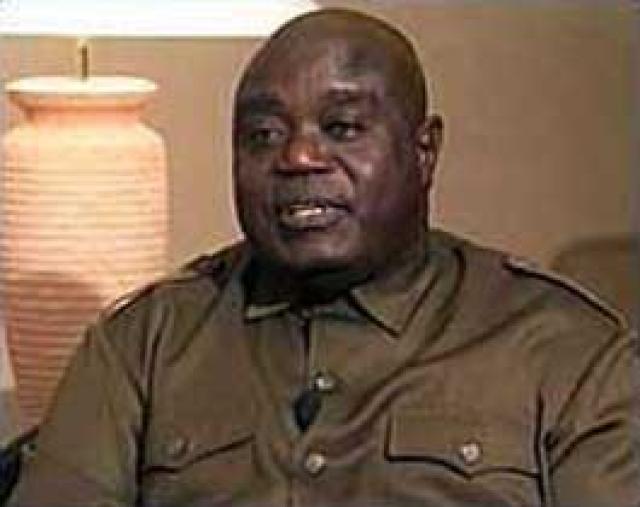
Laurent Desire Kabila
 Congo
Congo- Biography of Laurent Desire Kabila
- Emergence as a Leader
- Political Resurgence
- Presidency and Controversy
- Assassination and Succession
Biography of Laurent Desire Kabila
Laurent Desire Kabila was the President of the Democratic Republic of the Congo. He studied in France and at the University of Dar es Salaam in Tanzania. When Congo gained independence in 1960, Kabila was a youth leader of a party with close ties to then Prime Minister Patrice Lumumba.
Emergence as a Leader
In 1964, Kabila participated in one of the three uprisings led by Lumumba's followers in different parts of the country, supported by Che Guevara. The uprising was suppressed in 1965 by the Congolese army led by Mobutu, who later seized power in the same year. In 1967, Kabila founded the People's Revolutionary Party, which formed a government in the South Kivu region of eastern Congo, declaring the formation of a new communist state. Kabila's state existed in the mountains west of Lake Tanganyika for two decades.
Political Resurgence
In the 1990s, Kabila moved to Dar es Salaam, where he engaged in the sale of gold from eastern Zaire. He reappeared on the political scene in October 1996 as the leader of a Tutsi uprising in South Kivu. With the support of the governments of Uganda and Rwanda, he managed to unite the Tutsis with anti-Mobutu guerrilla groups (Alliance of Democratic Forces for the Liberation of Congo-Zaire). In May 1997, Mobutu fled, and Kabila declared himself president and proposed a new name for the country - the Democratic Republic of Congo.
Presidency and Controversy
Once a communist, Kabila now stated that he supported political pluralism and a market economy. However, he banned the activities of all political parties, and the police suppressed demonstrations by supporters of opposition leader Etienne Tshisekedi. In August 1998, a group of Tutsi rebels called the Congolese Democratic Movement invaded Congo from Rwanda. After unsuccessful peace negotiations, the rebels resumed military actions aimed at overthrowing Kabila. However, a ceasefire agreement was eventually reached in July-August 1999.
Assassination and Succession
In February 2000, the UN Security Council approved a proposal to deploy peacekeeping forces and observers to the region, but the deployment was postponed several times due to a lack of security guarantees. On January 20, 2001, Kabila was shot by one of his bodyguards during an attempted coup in Kinshasa. His son, Joseph Kabila, was elected as the new president.