Harry Atkinson
 New Zealand
- Albert Henry: A Political Trailblazer
- Early Life and Education
- Political Beginnings
- Pre-Eminence in New Zealand
- Return to the Cook Islands
- Prime Ministership of the Cook Islands
- Controversies and Legacy
Albert Henry: A Political Trailblazer
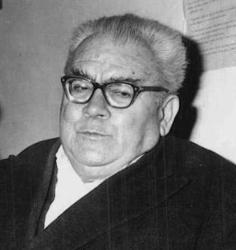
Albert Henry, born on June 11, 1907, on the island of Rarotonga, left an indelible mark on the political landscape of New Zealand and the Cook Islands.
Early Life and Education
Henry descended from Jefrey Tiaware Henry and Metua Kamre Grace. After receiving his primary education, he attended the Anaura School. Upon graduation, he ventured into teaching and grocery retailing.
Political Beginnings
In 1940, Henry relocated to New Zealand and joined the New Zealand Labour Party and a trade union. In 1945, he became the representative of the Cook Islands Progressive Association in Auckland.
Pre-Eminence in New Zealand
Henry's political career in New Zealand flourished. He served as the 10th Prime Minister of New Zealand from 1957 to 1960. During his tenure as Prime Minister, he was also the Minister of Finance for 10 years. Henry's leadership was characterized by prudence and meticulous management of public finances. He introduced several radical measures such as the government insurance (benefits) schemes of 1882 and a land lease program.
Return to the Cook Islands
In 1964, Henry returned to the Cook Islands and became the head of the Cook Islands Progressive Association, which later transformed into the territory's standalone political party, the Cook Islands Party. In the April 1965 parliamentary elections, Henry led the party to victory and became the first Prime Minister of the Cook Islands in June of that year.
Prime Ministership of the Cook Islands
Henry held the position of Prime Minister until 1978. During his tenure, he spearheaded major infrastructure developments, including the reconstruction of Rarotonga International Airport, the construction of a resort on Rarotonga, and the development of tourism infrastructure on other islands in the archipelago. In 1966, he introduced a pension for all citizens over 65.
Controversies and Legacy
Henry's administration was not without controversy. In 1978, he was forced to resign following a major scandal involving allegations of election rigging. As a result, he was stripped of the knighthood bestowed upon him by Queen Elizabeth II.
Despite the controversies, Henry's legacy remains significant. He was a pioneer in the political arena, both in New Zealand and the Cook Islands. His contributions to the nation include the establishment of a comprehensive pension system and the development of tourism infrastructure, which have had a lasting impact on the economy and well-being of the Cook Islands.