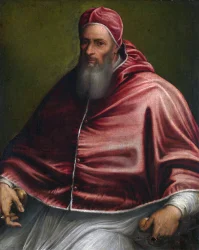
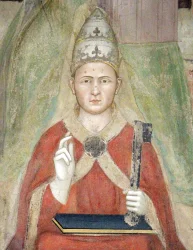
Innocent XII
- A diplomat rises through the Church
- A stand against nepotism
- Reconciliation and religious disputes
- Final years and legacy
Antonio Pignatelli became Pope Innocent XII after a long conclave that had left Europe’s Catholic cardinals deeply divided. He arrived at the papacy as an experienced diplomat and administrator, and quickly made reform the mark of his rule. His most famous measure restricted the nepotism that had long allowed popes to enrich their relatives, but he also worked to improve courts, aid the poor, and settle an old dispute with France.
A diplomat rises through the Church
Pignatelli was born on March 13, 1615, in Spinazzola, in the Kingdom of Naples. His family belonged to the Neapolitan nobility, and he entered church service as a young man. His career took him through posts in the Papal States and across Europe: he served in Urbino, Malta, Perugia, Tuscany, Poland, and Vienna. The assignments gave him experience in both church administration and the delicate politics of Catholic courts.
In 1681 he became a cardinal, and in 1687 he was appointed archbishop of Naples. After Pope Alexander VIII died, the cardinals spent five months trying to agree on a successor. Pignatelli emerged as a compromise candidate and was elected on July 12, 1691, taking the name Innocent XII. He was in his mid-seventies and brought a reputation for sobriety and administrative skill to a papacy confronting financial strain and long-running tensions with European monarchs.
A stand against nepotism
In June 1692, Innocent issued the bull “Romanum decet Pontificem.” It set firm limits on the traditional practice of nepotism, under which popes gave relatives major offices, wealth, and political influence. The bull barred the pope from granting family members estates, revenues, and positions, and restricted the number of relatives who could be made cardinals. Innocent’s reform did not erase family influence from church politics, but it established a lasting rule against a practice that had repeatedly damaged the papacy’s credibility.
He pursued other changes in Rome’s administration. His government prohibited the sale of certain church offices and reorganized the courts, seeking to make justice more orderly and reduce corruption. Innocent also devoted attention to the poor. He converted part of the Lateran palace complex into a hospital and supported charitable and educational institutions. At the hospice of San Michele a Ripa, poor young people and others on society’s margins were given work and assistance.
Reconciliation and religious disputes
Innocent’s diplomacy was tested by the conflict between the papacy and King Louis XIV of France. The French crown had promoted the Declaration of the French Clergy in 1682, asserting a degree of independence from papal authority. In 1693, after negotiations, Louis XIV withdrew the declaration and the bishops who had supported it sent a written recantation to Rome. The settlement eased a dispute that had strained relations between France and the papacy for years.
His pontificate also remained marked by theological disagreements. In 1696 he renewed a condemnation of Jansenist propositions, and in 1699 he condemned statements associated with the quietist spirituality of the French archbishop François Fénelon. These decisions reflected the period’s close ties between religious controversy and political power: theological judgments could strengthen or complicate the pope’s relationships with monarchs and church leaders.
Final years and legacy
Innocent XII’s final year coincided with the Jubilee of 1700, a major event that drew pilgrims to Rome. He died there on September 27, 1700, after nine years as pope. He had spent his pontificate trying to make the Church’s institutions more disciplined while maintaining workable relations with the great Catholic powers.
He is remembered above all for confronting nepotism at a moment when the practice had become a conspicuous symbol of corruption. His reforms also reflected a broader concern with fair administration and care for Rome’s poor. Innocent XII did not remake the Church, but he gave the papacy a reputation for restraint and reform at the close of the seventeenth century.