Jan Lyotard
 Switzerland
- Jean-Étienne Liotard: Swiss Painter Renowned for "The Chocolate Girl"
- Early Life and Artistic Training
- Paris and the Journey to the East
- Orientalist Master
- Return to Europe and Ongoing Travel
- Portraiture and Legacy
- Style and Influence
- Recognition and Relevance
Jean-Étienne Liotard: Swiss Painter Renowned for "The Chocolate Girl"
Jean-Étienne Liotard, a celebrated Swiss artist, was born in Geneva in 1702 to French Protestant parents who fled their homeland for Switzerland due to religious persecution.
Early Life and Artistic Training
Liotard's childhood remains largely undocumented. As a youth, he exhibited a passion for drawing, filling his notebooks with scenes from Roman history and portraits of his friends. Recognizing his son's talent, his father apprenticed him to Daniel Gardel, a Swiss artist. Liotard's exceptional skill in copying drawings earned him recognition as one of Gardel's most proficient pupils.
Paris and the Journey to the East
In 1725, Liotard moved to Paris and joined the studio of engraver and miniaturist J.-B. Massé. However, his pursuit of historical painting proved unsuccessful, prompting him to explore different techniques. After experimenting with oil painting, pastels, and miniatures on bone, Liotard discovered his true calling in portraiture.
In 1736, Liotard accompanied the French ambassador to Naples, the Marquis de Puyzieulx. His reputation as an exceptional portraitist spread, and he received a commission from Pope Clement XII. However, a chance encounter with Sir William Ponsonby, an English nobleman, launched Liotard on a transformative journey to the East.
Orientalist Master
Liotard's travels to Messina, Malta, Greece, and Turkey profoundly influenced his art. The vibrant cultures, customs, and people of the East inspired him to create numerous drawings that showcased his meticulous attention to detail and masterful use of materials.
Return to Europe and Ongoing Travel
Upon his return to Europe, Liotard resumed his portraiture career and traveled extensively, visiting Vienna, Paris, London, Venice, and his hometown of Geneva. While reasons for his constant movement remain unclear, it is believed that his insatiable desire to connect with diverse cultures and paint their people played a role.
Portraiture and Legacy
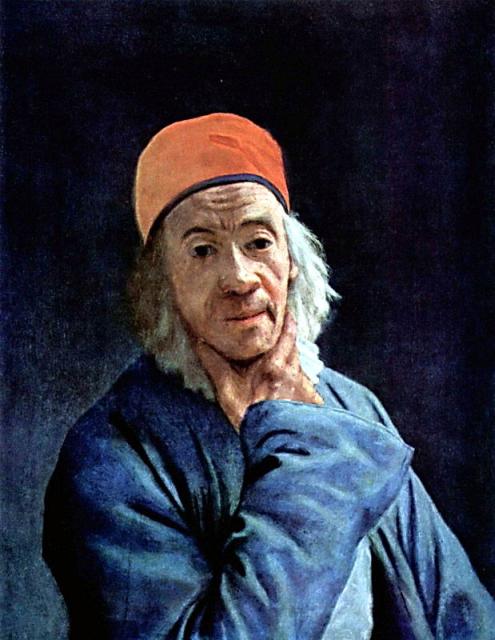
Known for his exceptional psychological insight, Liotard created some of the most memorable portraits of the 18th century. His portrayal of Maria Theresa, the Austrian Empress, revealed her humanity beyond her position of authority, while his famous "The Chocolate Girl" (1745) captured the essence of everyday life in an exquisite composition.
Style and Influence
Liotard's portraits exhibited influences from rococo, with its penchant for elegant costumes and graceful poses, while others demonstrated a more objective and accurate approach. Despite being criticized for his departure from the idealized style of rococo, Liotard's honesty and precision foreshadowed the artistic trends of the 19th century.
Recognition and Relevance
Despite facing some criticism during his lifetime, Liotard's contributions to art were recognized posthumously. His ability to capture the essence of his subjects and his dedication to realism make him an influential figure in the history of portraiture. He remains a testament to the power of observation, empathy, and the pursuit of truth in art.