Jan van Eyck
 Belgium
- Jan van Eyck: Master of Flemish Painting
- Court Painter to the Burgundian Duke
- Diplomatic Missions and Travel
- Settlement in Bruges
- Innovation in Oil Painting
- Artistic Legacy
Jan van Eyck: Master of Flemish Painting
Early Life and EducationJan van Eyck, born between 1385 and 1390 in Maaseik, Netherlands, was the son of a painter. He learned his craft from his older brother, Hubert van Eyck, with whom he collaborated until 1426.
Court Painter to the Burgundian Duke
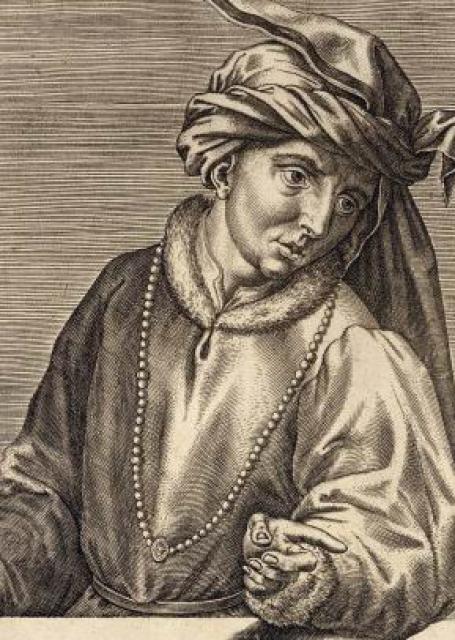
In 1422, Van Eyck's reputation as a skilled artist was established. He entered the service of Count John III of Bavaria and later became court painter to Philip III the Good, Duke of Burgundy, in Lille.
Diplomatic Missions and Travel
As a court painter, Van Eyck not only executed artistic commissions but also carried out diplomatic missions for the duke. From 1427 to 1428, he traveled to Spain, Portugal, and Tournai.
Settlement in Bruges
In 1431, Van Eyck settled in Bruges, where he purchased a substantial property and remained until his death in 1441.
Innovation in Oil Painting
Van Eyck is credited with revolutionizing oil painting. While it is debated whether he invented it, he is known to have perfected the technique, creating brilliant, durable colors that enhanced the quality of his works.
Artistic Legacy
Jan van Eyck is recognized as one of the greatest painters of the 15th century Netherlands. His use of oil paints laid the foundation for realistic painting and had a profound impact on subsequent generations of artists. His paintings continue to be admired for their technical skill and artistic beauty.