Jose Bove
 France
- From protest to the Larzac plateau
- A farmer’s union and a global cause
- From activist to elected representative
From protest to the Larzac plateau
José Bové was born on 11 June 1953 in Talence, southwestern France. The son of agricultural researchers, he grew up between France and the United States and became involved in pacifist and antimilitarist causes as a young man. In 1973, he joined the growing campaign against plans to expand a military training ground on the Larzac plateau. He later settled there as a sheep farmer, building a life that tied his politics to the land and the livelihoods of rural communities.
The Larzac campaign became a landmark in French protest politics. Farmers and supporters opposed the loss of their land, using marches, occupations and public demonstrations to keep the issue in view. The expansion plan was abandoned in 1981. Bové’s experience in the movement helped shape his later advocacy for small-scale farming and local control over food production.
A farmer’s union and a global cause
In 1987, Bové helped found the Confédération paysanne, a farmers’ union that challenged industrial agriculture and argued for a more environmentally sustainable and socially grounded model. He became one of its national spokespeople. He also worked with Via Campesina, an international network representing peasant farmers, and helped launch the French association ATTAC, which campaigned for greater democratic oversight of global finance.
Bové became internationally known for direct actions against genetically modified crops and corporate food production. In 1999, he and other activists dismantled a partly built McDonald’s restaurant in Millau, saying the protest drew attention to trade policies and threats to local agriculture. The action brought him a criminal conviction and a prison sentence, which turned him into a striking symbol of anti-globalization activism. Supporters praised his willingness to accept legal consequences for civil disobedience; critics saw his methods as unlawful and confrontational.
From activist to elected representative
After years as a union leader and protest figure, Bové entered electoral politics. He ran for president of France in 2007, presenting himself as a candidate for social and environmental movements. In 2009 he was elected to the European Parliament on the Europe Écologie list. He served two terms, through 2019, and became vice-chair of the Parliament’s Committee on Agriculture and Rural Development, bringing questions of farm policy, food systems and rural life into European debates.
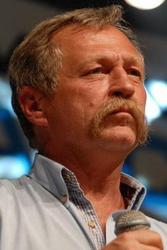
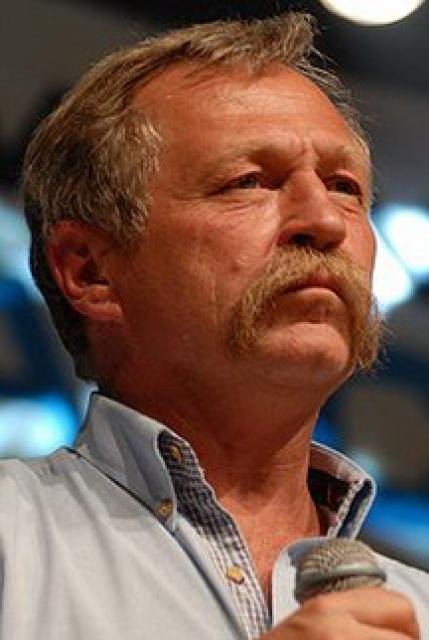
Bové’s signature moustache, outspoken manner and willingness to stage disruptive protests made him one of the most recognizable faces of the alter-globalization movement. His political career was shaped by a continuing argument over how food should be produced and who should control agriculture: multinational companies and large industrial systems, or farmers and local communities. He retired from electoral politics after his European Parliament service but remained a public voice on rural policy and environmental concerns.