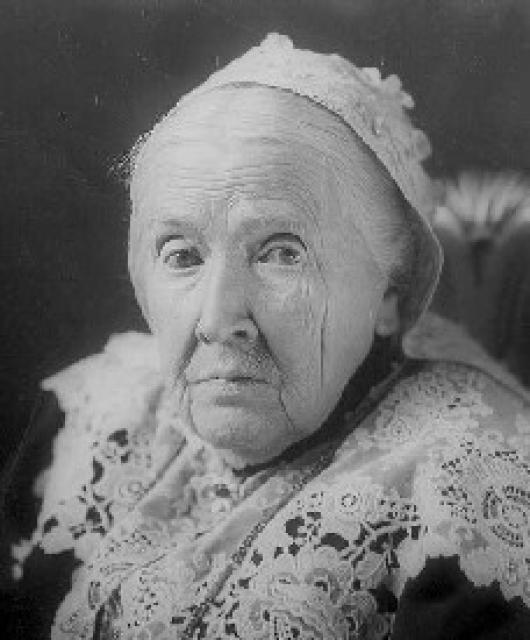
Julia Ward Howe
 USA
USAJulia Ward Howe: Abolitionist, Activist, and Poet
Julia Ward Howe was a prominent American abolitionist, social activist, and poet, best known as the author of "The Battle Hymn of the Republic." She was born in New York City as the fourth child of banker Samuel Ward and amateur poet Julia Rush Cutler. Through her mother's lineage, Howe was a descendant of William Greene, a former governor of Rhode Island.
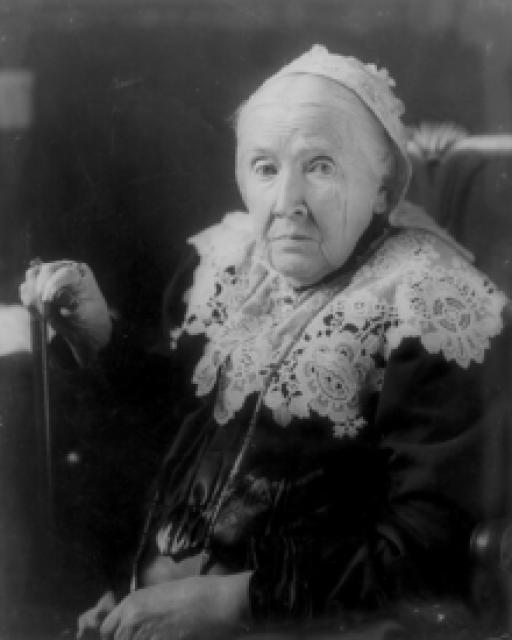
In 1843, Julia married physician and reformer Samuel Gridley Howe. Their engagement was announced on February 21, and it is known that Samuel had courted Julia for a long time, while also showing interest in her sister, Louisa. In December 1853, Howe published a collection of poems called "Passion-Flowers," which contained personal verses. Interestingly, she did not inform her husband about the publication.
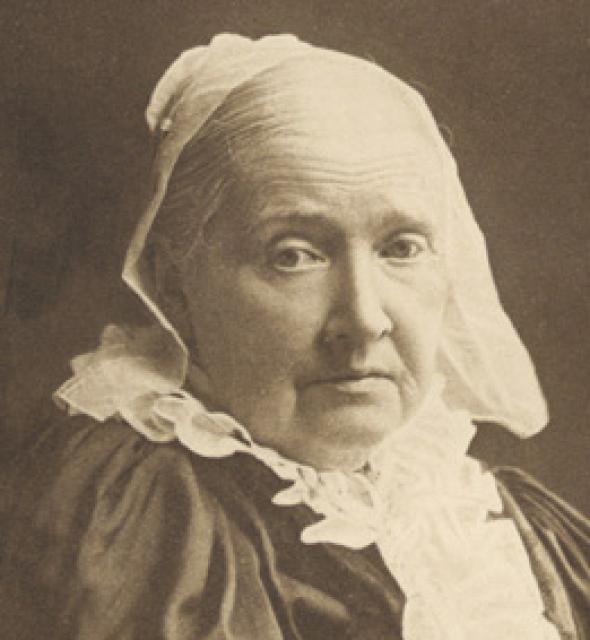
"The Battle Hymn of the Republic" was inspired by Julia's meeting with President Abraham Lincoln in the White House in 1861. During the Civil War, the song gained immense popularity among Union supporters. In February 1862, the new lyrics for the popular song "John Brown's Body" were published in the "Atlantic Monthly," thanks to the suggestion of Julia's friend James Freeman Clarke.
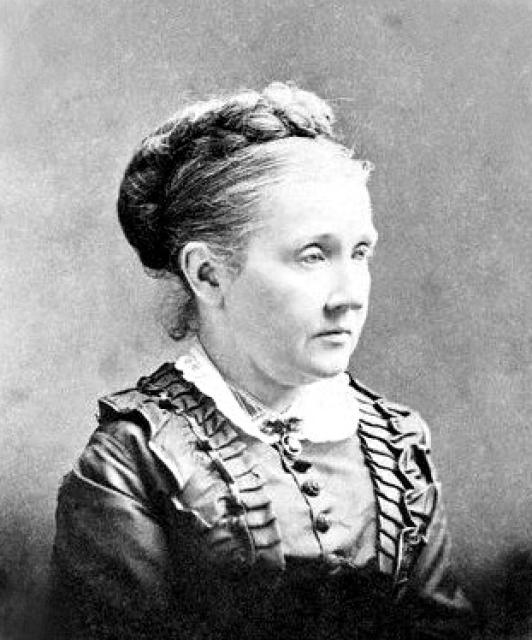
After the war, Howe focused on advocating for peace and women's rights. In 1870, she became the first person to proclaim Mother's Day. From 1872 to 1879, she assisted Lucy Stone and Henry Brown Blackwell in the publication of the "Woman's Journal." Following her husband's death in 1874, Julia dedicated even more time to reform activities.
From 1876 to 1897, Howe founded and served as the president of the Association of American Women, a group dedicated to women's education. She also worked with various other influential organizations, including the New England Women's Club, Massachusetts Woman Suffrage Association, New England Suffrage Association, and American Woman Suffrage Association.
In the last 20 years of her life, Julia devoted much of her time to supporting Russian freedom fighters. She supported Russian revolutionary Sergei Mikhailovich Stepniak-Kravchinsky and was a member of the Society of American Friends of Russian Freedom. Julia Ward Howe passed away on October 17, 1910, at her home in Portsmouth, Rhode Island, from pneumonia. She was 91 years old at the time of her death and was buried in Mount Auburn Cemetery in Cambridge, Massachusetts.
After Julia's death, her children published a book about her life, which won the Pulitzer Prize for Biography in 1916. On January 28, 1908, Howe became the first woman ever elected to the American Academy of Arts and Letters. In 1970, she was posthumously inducted into the Songwriters Hall of Fame, and in 1987, the U.S. Postal Service issued a series of 14-cent stamps featuring great Americans, including Julia Ward Howe.


