Kazimera Illakovich
 Poland
- Kazizmira Iłłakowiczówna: A Life in Poetry and Public Service
- Wartime Service and Diplomatic Career
- Literary Accomplishments
- Honors and Legacy
Kazizmira Iłłakowiczówna: A Life in Poetry and Public Service
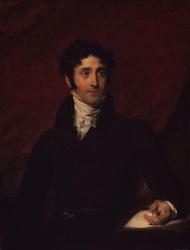
Born an illegitimate child, Kazizmira Iłłakowiczówna's early life was marked by loss and displacement. Her paternal grandfather, Tomasz Zan, was a member of the Philomats, a literary and intellectual society, and a close friend of Adam Mickiewicz. Iłłakowiczówna's father and mother died young, and she was raised by relatives in an estate near the Latvian city of Daugavpils.
Growing up at the crossroads of languages, Iłłakowiczówna attended a Russian gymnasium in Daugavpils and lived in St. Petersburg. She pursued higher education in Geneva, Oxford, and the Jagiellonian University in Krakow, where she met Józef Piłsudski, Poland's future leader.
Wartime Service and Diplomatic Career
During World War I, Iłłakowiczówna served as a nurse in the Russian army and was awarded the Cross of St. George for bravery. After the war, she lived in Petrograd and worked as a proofreader. In 1918, she joined the Polish Ministry of Foreign Affairs and later became Piłsudski's secretary for complaints and petitions.
Iłłakowiczówna's diplomatic career and involvement in public affairs continued after Piłsudski's death. She toured Europe delivering lectures on him and served as a representative of the Polish government. In 1939, she fled to Romania, where she spent the war years in Cluj, teaching languages and learning Romanian and Hungarian.
Literary Accomplishments
Iłłakowiczówna's literary career began in the Young Poland movement. She was associated with the Skamander poets and befriended the likes of Maria Dąbrowska, Stanisław Ignacy Witkiewicz, and Julian Tuwim. Her metaphysical poetry shows the influence of Baroque poetry, Polish Romanticism, and Bolesław Leśmian.
Iłłakowiczówna's poems about the Katyn massacre and the suppression of the Poznań Uprising were censored during her lifetime and only published in Poland after 1989. She also authored children's stories, memoirs, and several dramas.
Honors and Legacy
Throughout her life, Iłłakowiczówna's poetic talent, personal integrity, and civic engagement earned her deep respect and admiration. She received numerous awards, including the City of Vilnius Prize, the State Literary Prize, and honorary doctorates.
In 1983, the Kazizmira Iłłakowiczówna Prize was established to recognize outstanding poetic debuts. The poet's former apartment in Poznań has been transformed into a museum since 1984. Iłłakowiczówna's legacy continues to inspire and commemorate her extraordinary life and literary contributions.