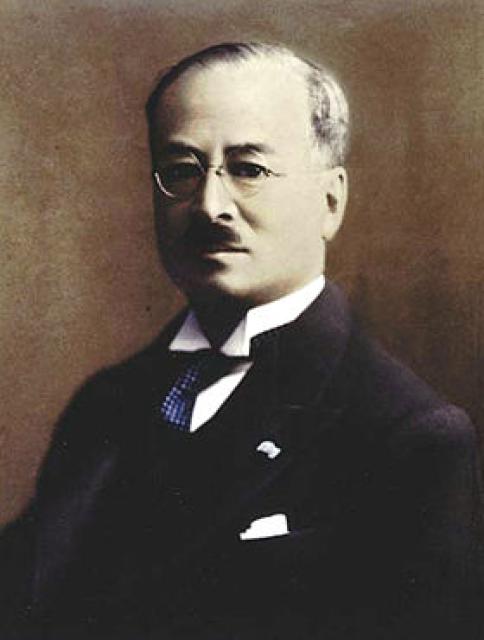
Koichi Kido
 Japan
Japan- Kido Kōichi: A Statesman in Turbulent Times
- Early Career and Political Development
- Rise to Prominence
- Lord Keeper of the Privy Seal
- Influence on Wartime Decisions
- Post-War Trial and Imprisonment
- Release and Later Life
Kido Kōichi: A Statesman in Turbulent Times
Early Life and EducationKido Kōichi was born into a prominent Japanese aristocratic family, the grandson of Kiido Takayoshi, a key figure in the Meiji Restoration. He attended the elite Peers' School, Gakushuin, and became a close childhood friend of Prince Fumimaro Konoe.
Early Career and Political Development
After graduating, Kido held leadership positions in the Ministry of Commerce and Industry. He later served as a personal secretary to Nobuaki Makino, the former Foreign Minister and Lord Keeper of the Privy Seal. Along with Konoe, Kido became a leader of the so-called "Young Aristocrats" of the 1920s and 1930s, who advocated for authoritarian reforms while maintaining some liberal and Western values.
Rise to Prominence
Following Makino's resignation in 1935, Kido became Konoe's closest aide and confidant. He held ministerial positions in Konoe's first cabinet (1937-1938) and later in the cabinet of Kiichirō Hiranuma (1939).
Lord Keeper of the Privy Seal
On June 1, 1940, Kido was appointed Lord Keeper of the Privy Seal, a position he held until the end of World War II. As the chief political advisor to the Imperial Court, he became a key liaison between the Emperor and the state bureaucracy.
Influence on Wartime Decisions
Despite his initial support for Hideki Tojo as Prime Minister in 1941, Kido played a crucial role in Tojo's removal in 1944. He also influenced subsequent government changes and the decision to surrender.
Post-War Trial and Imprisonment
After the war, Kido was arrested as a Class A war criminal and sentenced to life imprisonment at the Tokyo War Crimes Trial in 1948. Despite his incarceration, he continued to advise the Emperor through intermediaries, including recommending his abdication after the San Francisco Peace Conference.
Release and Later Life
Kido was released from prison in 1955 and spent the rest of his life in seclusion in the resort town of Oiso. His diaries, published in 1966, provide valuable historical insights but do not fully reveal the decision-making processes in which he participated.