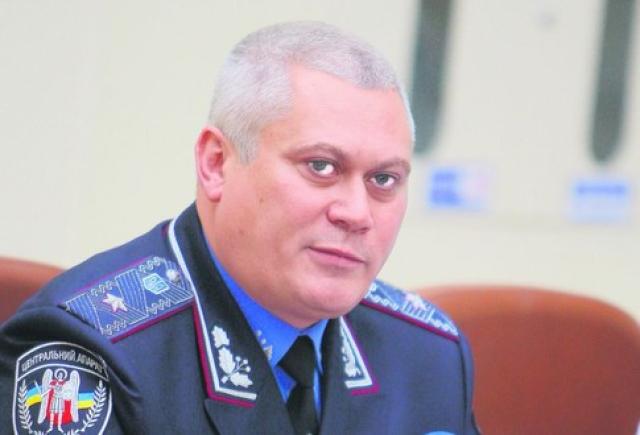
Sergey Kolomiec
 Ukraine
- Biography of Sergey Kolomiets
- Efficiency of High Fines
- Challenges in Ensuring Road Safety
- Enforcement of Fines
- Allocation of Fine Revenue
- Impact of Increased Speed Limits
- Improving Driving Examinations
- Combating Corruption on the Roads
Biography of Sergey Kolomiets
Sergey Kolomiets is a former chief of the State Traffic Inspectorate (GAI). He is known as a prominent figure in the field of traffic safety and law enforcement. Throughout his career, Kolomiets has been committed to implementing strict measures to protect the lives of drivers and pedestrians.
Efficiency of High Fines
Kolomiets believes that the implementation of high fines has been effective in reducing the number of road accidents and fatalities. He states that over the past year, the mortality rate on the roads has decreased significantly, with 2,372 fewer deaths compared to the previous year. Additionally, there were 17,000 fewer injuries reported. Kolomiets considers these results to be the main achievements of the new law on fines.
Challenges in Ensuring Road Safety
Despite the success of high fines, Kolomiets acknowledges that there have been recent increases in the number of fatalities resulting from traffic accidents. He attributes this to seasonal factors, such as the influx of tourists during the summer months and September. Foreign drivers also contribute to the statistics, as they often fail to comply with traffic regulations. However, Kolomiets reassures the public that measures are in place to address these issues, and he expects mortality rates to decrease again by December.
Enforcement of Fines
Kolomiets emphasizes the importance of effectively enforcing fines and ensuring that all offenders are held accountable. He highlights that imposing fines is only half the battle, as the collection of fines can be challenging. He promises that any driver with unpaid fines will not be able to pass a vehicle inspection, and data on repeat offenders will be passed to the enforcement agencies. While there have been few cases of vehicle confiscation, Kolomiets notes that violators often find a way to pay their fines as soon as their vehicles are impounded.
Allocation of Fine Revenue
When asked about the destination of fine revenue, Kolomiets explains that half of the funds go to the state budget, while the other half is allocated to local budgets. He mentions that some villages have been able to repair their roads using the funds generated from fines. However, the exact allocation of funds in larger cities, such as Kyiv, is not known to him.
Impact of Increased Speed Limits
Contrary to concerns about increased speed limits, Kolomiets reveals that the number of accidents in Kyiv, where speed limits have been raised, has decreased by 43.1% compared to the previous year. This statistic demonstrates that higher speed limits do not necessarily lead to higher accident rates.
Improving Driving Examinations
Kolomiets acknowledges the low passing rate of driving exams and attributes it to the inadequate preparation of candidates. He shares an incident where he witnessed a candidate cheating during the exam and immediately intervened. To address this issue, he mentions the introduction of a new examination system, which includes surveillance cameras in examination rooms. The implementation of this system is currently being tested and is expected to be rolled out nationwide by the end of November.
Combating Corruption on the Roads
Kolomiets is proud of the efforts made to combat corruption on the roads. He reveals that nearly 4,000 cases of corruption were identified within a year. Out of these cases, only 121 involved traffic inspectors soliciting bribes, and they have all been dismissed and faced criminal charges. However, Kolomiets acknowledges that prosecution against those who offer bribes has been less successful, with only a small number of cases resulting in legal action.