Louis Buchalter
 USA
- Early Years on the Lower East Side
- Labor Racketeering and Murder, Inc.
- Fugitive, Conviction and Execution
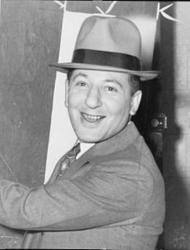
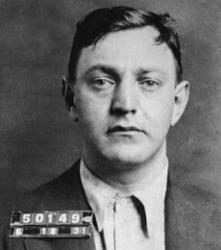
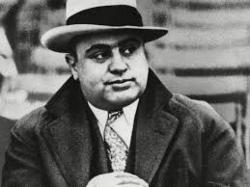
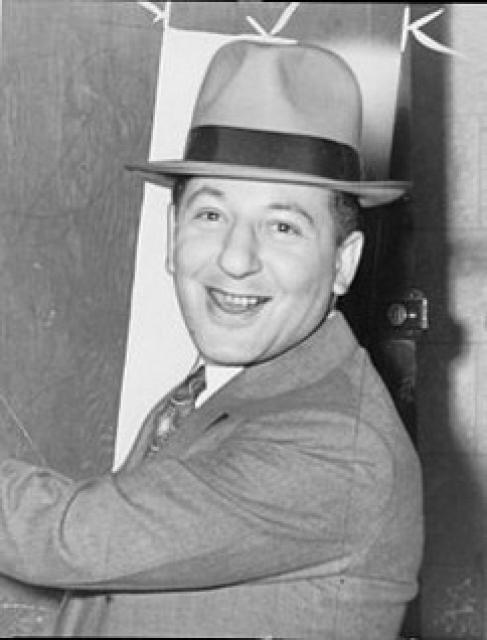
Louis “Lepke” Buchalter rose from street crime on Manhattan’s Lower East Side to become one of the most powerful racketeers in Depression-era New York. He built influence through labor and industrial extortion, then became associated with Murder, Inc., a network of contract killers used by organized crime. His reign ended after a long manhunt, a murder conviction and execution at Sing Sing Prison.
Early Years on the Lower East Side
Born in New York City on February 6, 1897, Buchalter grew up in a Russian Jewish immigrant family on the Lower East Side. His father ran a hardware store. As a teenager and young man, Buchalter drifted into theft and street crime, building a partnership with Jacob “Gurrah” Shapiro that would shape his rise in the underworld.
The two men moved from petty crime into protection rackets, demanding payments from pushcart vendors and local businesses in exchange for protection from violence they themselves could unleash. They expanded into labor and industrial disputes, using threats, beatings, bombings and hired muscle to control businesses and pressure workers and competitors.
Labor Racketeering and Murder, Inc.
By the 1930s, Buchalter had become a major figure in New York’s garment and industrial rackets. His influence extended through labor organizations, businesses and criminal associates. He and Shapiro also became involved in a fur-dressing racket, where violence was used to drive independent firms out of business and enforce price and market arrangements.
Buchalter was later identified as a leader of Murder, Inc., the name popularly given to a Brooklyn-based group of Jewish and Italian-American killers who carried out contract murders for underworld clients. Their violence targeted rivals, people who resisted rackets and witnesses believed to pose a threat. The network’s reputation became central to the public image of organized crime in the 1930s, though the nickname and its alleged scale were shaped in part by prosecutors and press accounts.
Fugitive, Conviction and Execution
Federal investigators pursued Buchalter and Shapiro for their role in the rackets. Buchalter’s 1936 federal antitrust conviction was reversed on appeal, but he later became a fugitive after failing to appear for another trial. He surrendered in 1939 after an extensive manhunt and received a federal prison sentence on antitrust and narcotics charges.
The case that determined his fate was separate: New York prosecutors brought him to trial for the 1936 murder of garment worker and small business owner Joseph Rosen. Testimony from former associates helped convict him of first-degree murder. After appeals failed, Buchalter was executed in the electric chair at Sing Sing on March 4, 1944.
His execution made him the only major organized-crime boss in the United States to be put to death by the state. Buchalter’s story is remembered less for personal ambition than for how organized violence was used to control workplaces, markets and communities—and how the government eventually brought one of its most powerful racketeers to trial.