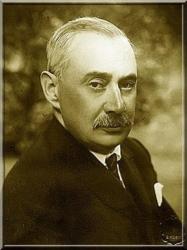
Mate Zalka
 Hungary
- Early Life and Military Service
- Military Service and Capture:
- Political Activism and Civil War Participation
- Fighting in Russia:
- Command Positions and Counterinsurgency Operations:
- Diplomatic and Artistic Career
- Writing and Internationalism:
- Spanish Civil War and Death
- Posthumous Recognition:
Early Life and Military Service
Birth and Family:Maté Zalka, born Bélla Frankl on April 23, 1896, in Matolcs, Hungary, came from a peasant family who owned a village inn.
Military Service and Capture:
With the outbreak of World War I, Zalka joined the Austro-Hungarian army as a junior officer. During the war, he fought in Italy and on the Eastern Front before being captured by Russian forces near Lutsk in 1916.
Political Activism and Civil War Participation
Inspired by Russian Revolution:Influenced by the 1917 Russian Revolution, Zalka embraced socialist ideals while in captivity. He became a member of the Hungarian Communist Party in absentia in 1920.
Fighting in Russia:
Zalka fought in the Russian Civil War, participating in peasant uprisings against Kolchak. From 1919, he served in Alexander Kravchenko and Petr Shchetinkin's 18,000-strong Siberian Partisan Army.
Command Positions and Counterinsurgency Operations:
After the partisans joined the Red Army, Zalka held command positions. In 1921-1923, he assisted the Cheka in suppressing peasant revolts led by Nestor Makhno.
Diplomatic and Artistic Career
Diplomatic Service and Theater:Following his resignation from the military, Zalka worked as a diplomatic courier, in economic roles, and as director of the Theater of Revolution in Moscow (1923-1928).
Writing and Internationalism:
Throughout his career, Zalka's writing focused on military themes and the horrors of war. His most notable work is the novel "Dobrodo" (1937), which denounced the senselessness of World War I. He also advocated for international brotherhood in his writings.
Spanish Civil War and Death
The Spanish Front:In 1936, Zalka joined the fight in the Spanish Civil War under the pseudonym General Lukács. He commanded the 12th International Brigade and was fatally wounded near Huesca on June 11, 1937.
Posthumous Recognition:
Zalka received the Order of the Red Banner and the Spanish Republican Order of Liberation posthumously. His works continue to inspire readers with their powerful message of peace and solidarity.