Michael Herbig
 Germany
- Radio beginnings and the rise of Bully
- Comedy that filled cinemas
- From slapstick to real history
- A continuing box-office draw
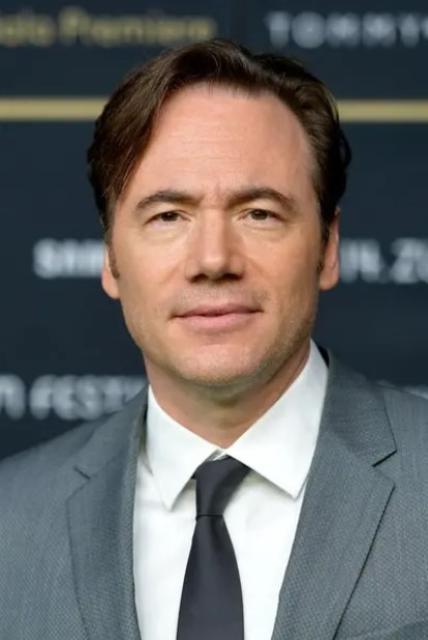
Michael Herbig (born 29 April 1968), widely known as “Bully,” is a German comedian, actor, director, screenwriter and producer. He began in radio, became a household name through the sketch show *Bullyparade*, and went on to create some of the biggest box-office hits in German cinema. From the broad parody of *Manitou’s Shoe* to the true-story escape drama *Balloon*, his career has moved easily between comedy, family films and more serious subjects.
Radio beginnings and the rise of Bully
Born in Munich, Herbig trained as a photographer before turning to comedy. In the early 1990s he worked at Radio Gong and Radio Energy, where he developed the comic persona “Bully” and performed in the long-running radio series *Die Bayern Cops*. Radio gave him room to build characters and sharpen the improvisational style that would later define his television work.
In 1997, Herbig moved to television with *Bullyparade*. He worked as a performer, writer, director and producer, often alongside Rick Kavanian and Christian Tramitz. The show ran until 2002 and became known for its fast character sketches and affectionate parodies of westerns, science fiction, historical dramas and pop culture. The trio’s recurring characters gave Herbig a ready-made ensemble for the cinema.
Comedy that filled cinemas
Herbig’s first feature as director was *Erkan & Stefan* (2000). A year later, his production company herbX film released *Manitou’s Shoe* (*Der Schuh des Manitu*), a comic take on the German westerns inspired by Karl May. Herbig co-wrote, directed and starred in the film. With nearly 12 million admissions, it became one of Germany’s biggest postwar cinema hits and made its characters Abahachi and Ranger widely familiar.
He followed it with *Dreamship Surprise – Period 1* (*(T)Raumschiff Surprise – Periode 1*, 2004), a science-fiction parody that drew more than nine million cinema-goers. More film and television projects followed, including the animated comedy *Lissi and the Wild Emperor* (2007), the family adventure *Vicky the Viking* (2009) and *Bullyparade – The Movie* (2017), which brought back the sketch show’s familiar cast and characters.
Herbig also worked as a voice actor, notably as Kuzco in the German version of Disney’s *The Emperor’s New Groove* and as Woody in the German *Toy Story* films. His appeal has often rested on his willingness to change registers: the same performer known for broad comic roles could also take on an eccentric character drama or a family adventure.
From slapstick to real history
With *Balloon* (*Ballon*, 2018), Herbig took on a true story far removed from his sketch-comedy image. The thriller follows two families who escaped East Germany in 1979 in a homemade hot-air balloon. Its careful research and tense historical drama showed a more restrained side of his filmmaking.
He returned to the subject of media and truth with *A Thousand Lines* (*Tausend Zeilen*, 2022), based on the scandal surrounding journalist Claas Relotius, who fabricated reports for *Der Spiegel*. Alongside films, Herbig became host of the German version of *LOL: Last One Laughing*, a comedy competition in which contestants try to keep from laughing.
A continuing box-office draw
Herbig’s 2025 sequel *The Canoe of Manitou* (*Das Kanu des Manitu*) reunited him with the world of his 2001 hit. The film drew more than five million admissions in Germany and became the most-attended German film of the year. It earned him renewed commercial success as well as the 2026 German Film Award for the year’s biggest box-office title.
In 2023, Herbig received the German Television Award’s lifetime achievement honor. Across radio, television and film, his career has been marked by a rare combination of creative control and mass appeal: he often writes, directs, produces and performs in the same project. The “Bully” persona remains central to his public image, but his work has continued to evolve far beyond the sketch-comedy stage where it first took hold.