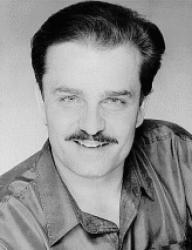
Nikolay Gedda
 Sweden
Biography of Nicolai Gedda
Nicolai Gedda, a Swedish tenor, is one of the most renowned opera singers in the world. His brilliant and flawless performances in various classical repertoire, ranging from lyrical and dramatic operas to touching romances and Russian folk songs, have rightfully earned him the reputation of a true vocal master.

Childhood
Nicolai Gedda was born in 1925 in Stockholm. His mother was Swedish, while his father was half Russian. His mother remarried, and his stepfather was a talented singer. In his childhood, Gedda sang in the church choir, and it was during this time that he realized his undeniable musical talent and developed a profound love for music and absolute pitch. However, due to the difficult financial situation of his family, he was unable to pursue professional vocal training.

Education
During the war years, Gedda worked for the postal service and helped his stepfather in the forest, cutting trees. Despite his responsibilities, he never lost his passion for music. He decided to become a professional singer and drew inspiration from renowned contemporary tenors, such as J. Roswaenge and G. Gigli, whose voices he enjoyed listening to on the radio. Initially, he took lessons from a Latvian singer, but it was under the guidance of M. Emaun, who not only taught him proper vocal technique but also introduced him to the modern musical world, that Gedda truly flourished. With a special scholarship, Gedda was able to dedicate more time to music and eventually became a student at the Music Academy.

Early Success
In the early 1950s, Gedda received his first recognition in the music world. He initially took on the role of a charlatan in the opera "Boris Godunov" and was then invited to perform in "Don Giovanni." The latter role was a tremendous success, with both the audience and critics agreeing that the young singer was ideal for Mozart's repertoire. His talent was noticed by leading theaters and famous composers, such as Carl Orff, who offered Gedda a role in the final part of his trilogy "Trionfi," solidifying his early success.
Career Growth
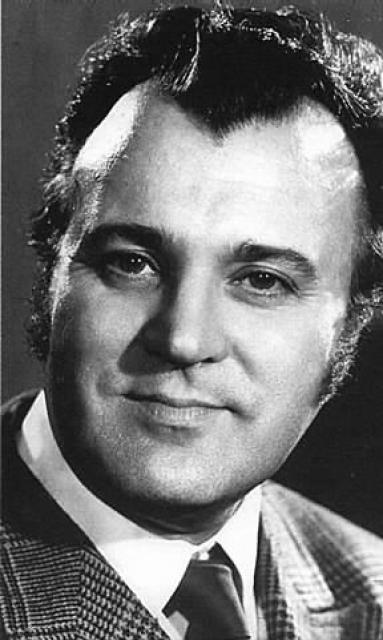
In the 1950s, Gedda performed on leading European stages, participated in music festivals, and made his debut at the Metropolitan Opera, marking the beginning of his twenty-season collaboration with the prestigious theater. During this time, he also studied with the renowned Russian vocalist P. Novikova, whose experience had a significant impact on his development as a singer. Gedda achieved further success with his performance in the opera "Manon," establishing himself as an exceptional interpreter of French and Italian composers. Russian music, both classical and folk, held a significant place in his repertoire, with his rendition of "Vecherniy zvon" being exemplary. Gedda particularly cherished the role of Lensky, which he brilliantly performed in the Soviet Union. Fluent in seven languages, including Russian, Gedda effortlessly tackled a wide range of repertoire.
Artistic Style
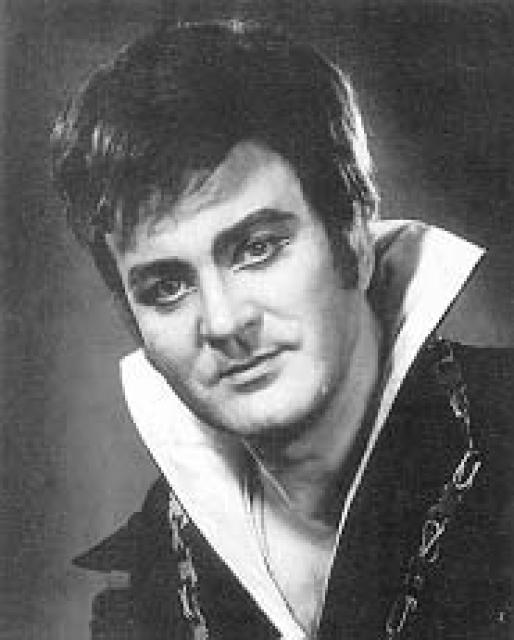
Gedda's style blended the traditions of three schools. His Russian roots and excellent training under Ustinov allowed him to effortlessly interpret songs and pieces from the Russian musical repertoire. In the Soviet Union, his performances of Tchaikovsky received enthusiastic acclaim. He also excelled in singing folk songs, such as "Vecherniy zvon." The second musical layer in his repertoire was the bel canto technique, which formed the foundation of his operatic performances. His flawless singing and impeccable musical line earned him praise from critics, who considered his ability a major advantage over other performers. Finally, Gedda's exceptional dramatic skills allowed him to effortlessly tackle "heavier" roles. His talent was recognized through numerous awards and honors. Gedda also wrote an insightful memoir, analyzing his artistic journey and reflecting on his career as an opera singer.