Noel Coward
 Great Britain
- A London Childhood and the Stage
- The Vortex and a New Kind of Comedy
- War, Film, and Public Service
- Reinvention Abroad
- Private Life and Public Image
- Final Years and Legacy
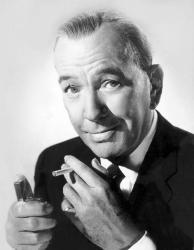
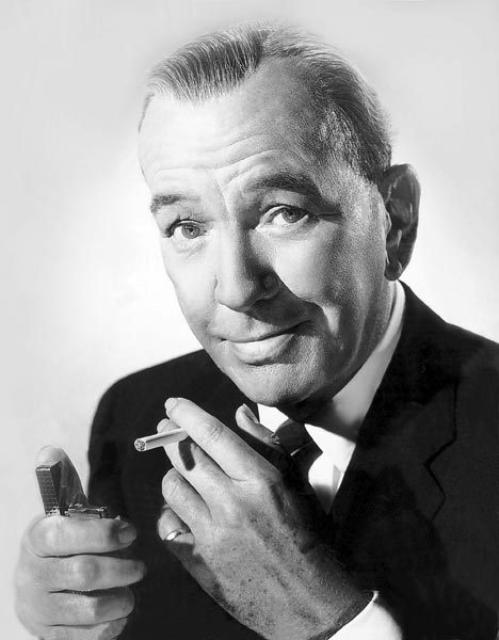
Noël Coward turned a sharp ear for conversation and a gift for melody into one of the most distinctive careers in modern theatre. For six decades he wrote plays, songs, screenplays, and roles for himself, moving easily from brittle drawing-room comedy to wartime drama and late-career cabaret. The polished public persona—silk dressing gowns, cigarette holder, and a line delivered with perfect timing—was matched by a relentless working life.
A London Childhood and the Stage
Noël Peirce Coward was born on December 16, 1899, in Teddington, Middlesex, to Arthur Coward, a piano salesman, and Violet Veitch, who encouraged her son’s musical and theatrical interests. The family had modest means, and Coward received little formal schooling. His mother arranged dance lessons and helped him find work as a child performer.
He made his professional stage debut in The Goldfish in 1911, aged eleven. By his teens he was appearing in plays and writing songs; during the First World War he was already moving in theatrical circles and making a living on stage. A friendship and creative partnership with actor and singer Gertrude Lawrence would later become one of the defining collaborations of his career.
The Vortex and a New Kind of Comedy
Coward’s first major breakthrough came with The Vortex in 1924. Its story of a self-absorbed society mother and her troubled son pushed into subjects that polite theatre often avoided, including drug use and sexual hypocrisy. The play established him as a writer with both an appetite for provocation and a precise comic touch.
Success quickly gathered pace. Hay Fever followed in 1925, turning a chaotic artistic family into a comic engine; Bitter Sweet brought operetta and romance; and Cavalcade swept across generations of British life. In 1930, Private Lives paired Coward and Lawrence as divorced lovers who meet again while honeymooning with new spouses. Its verbal fencing and sudden emotional turns remain central to Coward’s reputation. Design for Living, with its unconventional love triangle, also tested what audiences were prepared to see on a commercial stage.
Coward was not only a playwright. He directed, acted, composed, and wrote lyrics, often building productions around his own talents. His songs—among them “I’ll See You Again,” “Mad Dogs and Englishmen,” and “Mad About the Boy”—combined memorable melodies with the conversational sophistication that defined his dialogue.
War, Film, and Public Service
When the Second World War began, Coward accepted government work and helped establish a British propaganda office in Paris. He later traveled to the United States to encourage American support for Britain, then toured to entertain Allied troops. The scale of his wartime efforts was sometimes obscured by press criticism of his travel and his glamorous image.
His most lasting wartime achievement on screen was In Which We Serve (1942), a tribute to the Royal Navy that he wrote, co-directed with David Lean, and starred in. The film was a popular success and earned Coward a special Academy Award for outstanding production achievement. After the war he adapted and wrote for cinema again: Brief Encounter, based on his one-act play Still Life, became one of the great films of restrained romantic longing, while Blithe Spirit brought his ghostly comedy to the screen.
Reinvention Abroad
Postwar Britain was not always receptive to Coward’s style, and he spent much of his later life abroad, dividing time among Jamaica, Switzerland, and the United States. He built Firefly, his hilltop home in Jamaica, where he wrote, painted, and entertained a stream of visitors.
Rather than retreat from the stage, Coward reinvented himself as a cabaret performer. His 1955 Las Vegas season at the Desert Inn was a major success, introducing a new generation to songs he had written decades earlier. He returned to film in roles including Our Man in Havana and The Italian Job, and enjoyed a theatrical revival as audiences rediscovered his plays. In 1964, Hay Fever became the first play by a living author to be staged by the newly established National Theatre.
Private Life and Public Image
Coward’s polished persona concealed a private life he kept carefully guarded. He was gay, at a time when sex between men remained a criminal offense in England until 1967, and he did not publicly discuss his sexuality. His long relationship with actor and singer Graham Payn, whom he met in the mid-1940s, lasted until Coward’s death. Their partnership became more openly documented after his passing through Payn’s memoirs and the publication of Coward’s diaries and letters.
The tension between concealment and performance is part of the context for his public image, but it does not reduce his work to autobiography. Coward’s plays gave audiences wit, glamour, and intricate characters who often used humor to protect themselves from disappointment. Beneath the sparkle, his writing could be sharply observant about class, marriage, desire, and the stories people tell to keep life manageable.
Final Years and Legacy
Coward was knighted in 1970, a formal recognition of the stage and screen career he had built on his own terms. He continued writing and performing into his seventies, remaining closely associated with Firefly. He died there on March 26, 1973, at the age of 73.
His works have endured because they are playable: actors can make the dialogue sing, directors can bring fresh life to the social worlds he drew, and audiences still recognize the anxieties beneath the jokes. From Private Lives and Blithe Spirit to Brief Encounter, Coward left a body of work in which style was never merely decoration. It was the instrument through which he made feeling speak.