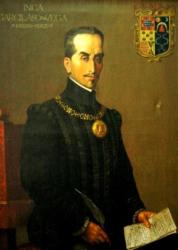
Otto Caspari
 Germany
- Otto Caspari: Life and Contributions
- Academic Career at Heidelberg
- Philosophical Contributions
- Key Works
- Legacy and Impact
Otto Caspari: Life and Contributions
Early Life and EducationOtto Caspari, a revered German historian and philosopher, was born into a distinguished intellectual family in 1841. His early education nurtured his passion for knowledge and critical thinking.
Academic Career at Heidelberg
In 1867, Caspari secured a professorship in philosophy at the prestigious University of Heidelberg. Influenced by the philosophical ideas of Johann Friedrich Herbart and Hermann Lotze, he became a prominent representative of critical empiricism.
Philosophical Contributions
Caspari's philosophical writings aimed to reconcile the perceived dichotomy between subjective and objective factors in cognition. He emphasized the distinction between the two realms while acknowledging the possibility of their reconciliation.
Key Works
Caspari's influential works include:The Concept of Causality(1873): Examined the nature and limits of causality in scientific and philosophical inquiry.
The Philosophy of History of Right(1877): Explored the historical development of legal concepts and their impact on society.
The Theory of Ethics(1885): Provided a comprehensive analysis of ethical principles and their application to human behavior.
Legacy and Impact
Otto Caspari's contributions to philosophy and intellectual discourse continue to be recognized and studied today. His insights into the nature of knowledge and the reconciliation of subjectivity and objectivity have shaped philosophical thought for generations. Caspari's legacy as a rigorous and influential thinker remains an enduring testament to his brilliance.