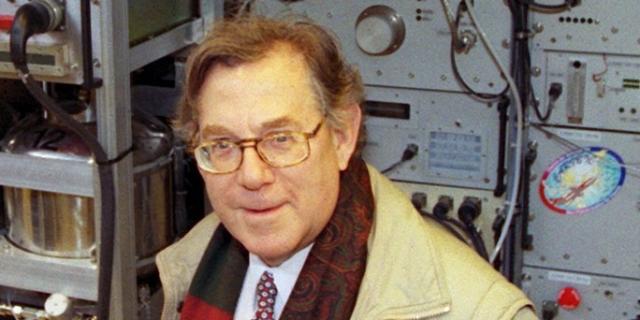
Paul Jozef Crutzen
 Netherlands
- Biography of Paul Joseph Crutzen
- Early Life and Education
- Career and Achievements
- Current Work and Affiliations
Biography of Paul Joseph Crutzen
Paul Joseph Crutzen was a Dutch scientist, Nobel laureate, and specialist in atmospheric chemistry, renowned for his research on the depletion of the ozone layer. Born on December 3, 1933, in Amsterdam, Netherlands, Crutzen came from a mixed German, Polish, Dutch, and Belgian background. Despite spending much of his career abroad, he remains a citizen of the Netherlands.
Early Life and Education
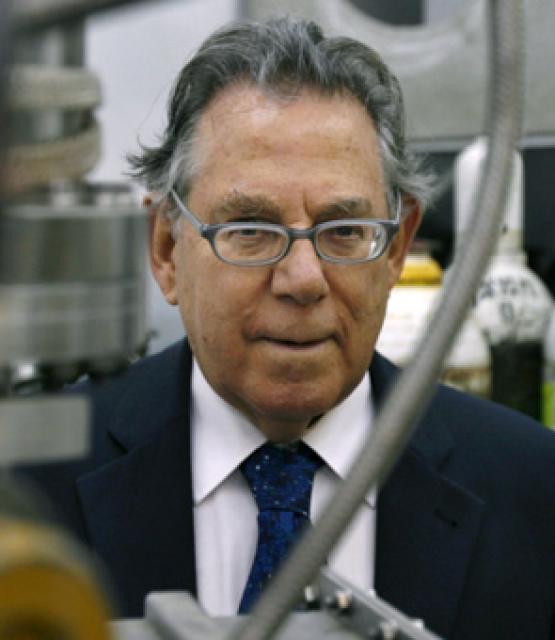
Crutzen's early years were marked by the hardships of living in Nazi-occupied Netherlands during World War II. He recalls the scarcity of food and fuel, as well as the constant relocation of schools due to the confiscation of suitable buildings by the occupiers. These conditions made education difficult, but Crutzen persevered. After the war, he successfully completed his secondary education and prepared for university.
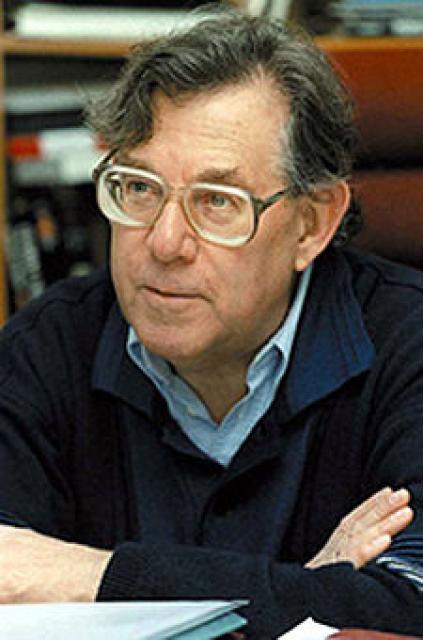
Instead of pursuing chemistry, Crutzen initially showed a preference for mathematics and physics. He excelled in these subjects and was well-versed in three foreign languages: English, French (taught by his father), and German (taught by his mother). Alongside his academic pursuits, Crutzen was actively involved in sports, playing football, cycling, and chess.
Career and Achievements
Unable to secure a scholarship for university due to his grades, Crutzen opted for a career as a civil engineer. He attended a technical school for three years, receiving a modest salary during his practical training. Until February 1958, Crutzen worked at a bridge construction bureau in Amsterdam, with a brief interruption for mandatory military service.
During a trip to Switzerland, Crutzen met Terttu Soininen, a Swedish student, whom he married in February 1958. They settled near Stockholm, Sweden, and had two daughters, Ilona and Sylvia. Crutzen credits his wife and family's support for his success.
Dreaming of an academic career, Crutzen moved his family to Stockholm in 1959 and began working as a programmer in the meteorology department at Stockholm University. With no previous knowledge of the field, he had to learn everything from scratch. However, Crutzen quickly became one of the country's top experts in atmospheric chemistry, and by the early 1970s, he started receiving invitations from international colleagues.
Crutzen's scientific career culminated in the recognition of his groundbreaking work. In 1995, he was awarded the Nobel Prize in Chemistry for his research on the ozone layer and the chemistry of the atmosphere. His contributions significantly advanced the understanding of the role of stratospheric and tropospheric chemistry in the biogeochemical cycle and climate change.
Current Work and Affiliations
Currently, Crutzen holds positions at the Max Planck Institute for Chemistry in Mainz, Germany, the Scripps Institution of Oceanography at the University of California, and Seoul National University in South Korea. He has also served as an adjunct professor at the Georgia Institute of Technology and conducted research at Stockholm University.
Crutzen's accomplishments have earned him numerous awards and honorary titles. Since 1999, he has been a foreign member of the Russian Academy of Sciences. His work continues to shape the field of atmospheric chemistry and inspire future generations of scientists.


