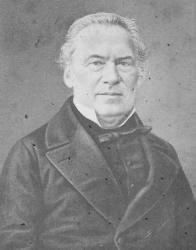
Pavel Sakulin
- Early Life and Education
- Academic Career
- Return and Recognition
- Contributions to Russian Thought
- Later Works: Literary Theory and Methodology
- Legacy and Impact
Pavel Nikitich Sakulin: A Renowned Russian Philologist and Literary Historian
Early Life and Education
Pavel Nikitich Sakulin was born on September 1, 1868, in the village of Voskresenskoye in the Samara province. His thirst for knowledge led him to pursue a degree in history and philology at Moscow University, which he successfully completed.
Academic Career
Tenure at Moscow University and Political DepartureFrom 1902 to 1911, Sakulin graced the halls of Moscow University as a professor. However, his political ideologies differed from the prevailing norms, prompting him to resign in 1911. Despite this, he actively participated in the Society of Lovers of Russian Literature.
Return and Recognition
In 1917, Sakulin made a triumphant return to Moscow University. His exceptional contributions to academia earned him a revered position as an academician of the Academy of Sciences of the USSR in 1929.
Contributions to Russian Thought
Landmark Study on OdoevskySakulin's profound study of Vladimir Fyodorovich Odoevsky's creative life and philosophical-aesthetic views has etched his name indelibly into the historiography of Russian thought. This comprehensive exploration illuminated Odoevsky's groundbreaking contributions to Russian intellectual discourse.
Later Works: Literary Theory and Methodology
In the 1920s, Sakulin's scholarly focus shifted toward literary theory. His seminal works, including "Synthetic Construction of Literary History" (1925), "Sociological Method in Literary Studies" (1926), and "Theory of Literary Styles" (1928), revolutionized the understanding of literary analysis.
Legacy and Impact
Pavel Nikitich Sakulin passed away in Leningrad on September 7, 1930. His erudite works continue to be revered as foundational texts in Russian philology and literary studies. His relentless pursuit of knowledge and insightful interpretations have left an enduring mark on the field.