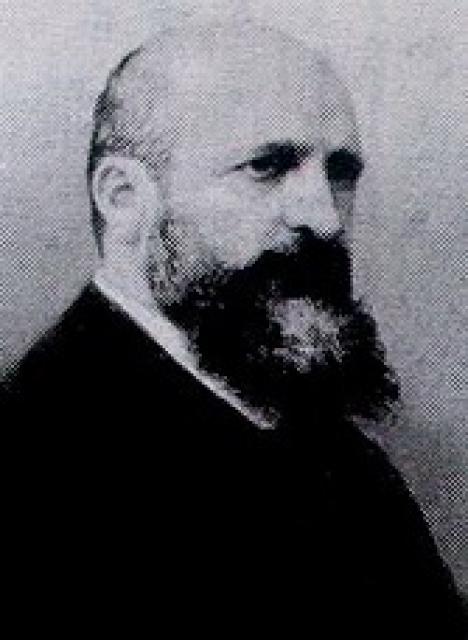
Pedro Antonio de Alarcon
 Spain
Spain- Pedro Antonio de Alarcón: A Literary Luminary
- Political Activism
- Literary Journey
- Travel and Writing
- Novels and Critical Essays
- Literary Criticism and Journalism
- Historical Legacy
Pedro Antonio de Alarcón: A Literary Luminary
Early Life and EducationBorn in Guadix, Spain, Pedro Antonio de Alarcón exhibited an affinity for literature from a young age. While briefly pursuing law and philosophy at the University of Granada, his literary inclinations led him to Cádiz in 1853, where he began his career in journalism.
Political Activism
Alarcón's involvement in the political sphere commenced with the 1854 revolution in Madrid. He rose to prominence as a leader within the anti-Bourbon Colonia Granadina, shaping the democratic landscape of the time.
Literary Journey
Alarcón's literary prowess manifested itself through diverse genres. His lyrical works, steeped in romanticism, captured the warmth and authenticity of the human spirit. His humorous and satirical poems, as well as his prose pieces, were widely acclaimed for their subjective and autobiographical nature.
Travel and Writing
In 1859, Alarcón participated in an African campaign under O'Donnell's command, which inspired his first published book, "Diario de un testigo de la guerra de Africa." He subsequently traveled extensively to Italy and France, penning travelogues that showcased his keen observations and vivid storytelling abilities.
Novels and Critical Essays
Alarcón's reputation as a novelist soared with the publication of "Cantos, artículos y novelas" in 1859. His novels deftly blended the imaginative flair of traditional Spanish storytelling with the sensibilities of a modern European writer. "El sombrero de tres picos," a vibrant depiction of provincial life, stands as one of his most celebrated works.
Literary Criticism and Journalism
Alarcón's astute literary insights found expression in numerous critical essays and witty feuilletons. Collections such as "Amores y amorios" and "Cosas que fueron" showcased his sharp wit and incisive intellect.
Historical Legacy
Despite the limited international recognition of his larger novels, Alarcón's literary legacy endures in Spain. His lyrical works remain cherished, while his novels and critical essays continue to captivate readers with their authenticity, humor, and timeless appeal.


