
Peter Rubens
 Denmark
- Peter Paul Rubens: Master of Baroque Art
- Education and Artistic Journey
- Early Career and Italy
- Return to Antwerp and Artistic Triumphs
- Court Painter and Diplomacy
- Personal Life and Legacy
- Impact on Western Art
Peter Paul Rubens: Master of Baroque Art
Early Life and FamilyBorn:June 28, 1577, in Siegen, Germany
Peter Paul Rubens was the sixth child of Jan and Maria Pypelincks Rubens. His father, a lawyer and politician, had fled Antwerp with Maria during the Dutch Revolt against Spanish rule. The family lived in Cologne, where Jan was imprisoned for supporting the Protestant cause.
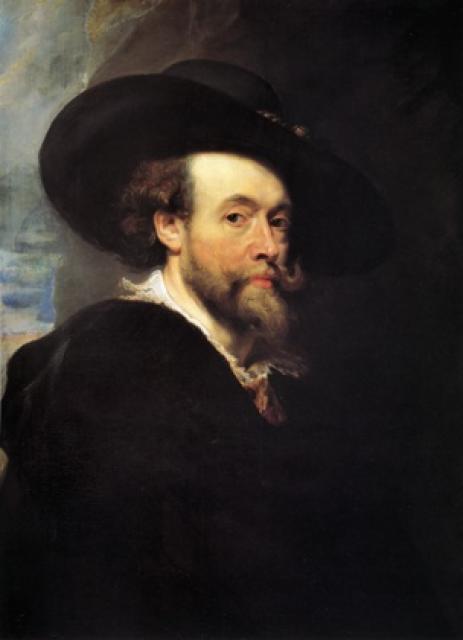
Maria tirelessly advocated for her husband's release, and eventually, in 1573, he was released on bail. The family then relocated to Siegen, where Peter Paul was born. In 1579, the Rubens returned to Cologne, and in 1583, Jan was fully pardoned.
Education and Artistic Journey
After living briefly in Cologne, the Rubens family moved back to Antwerp in 1587. Peter Paul attended the school of Rombaut Verdonck, where he excelled in Latin and the humanities. He also met J.B. Moretus, who would become his lifelong friend.
Rubens began his artistic training with Tobias Verhaecht, a landscape painter. He later joined the workshop of Adam van Noort, where he remained for four years. In 1598, he became an apprentice to Otto van Veen, a member of the "Romanist" movement, which emphasized the classical and intellectual aspects of art.
Early Career and Italy
In 1600, at age 23, Rubens traveled to Italy, visiting Florence, Mantua, and Rome. In Mantua, he served as court painter to Duke Vincenzo I Gonzaga, where he had access to the Gonzaga art collection and studied the works of great masters.
Rubens was particularly influenced by Titian, Paolo Veronese, and Correggio. Through copies of their paintings, he absorbed their techniques and developed his own unique style.
Return to Antwerp and Artistic Triumphs
In 1608, Rubens returned to Antwerp, where he established his own workshop. He became a master of the Guild of Saint Luke and quickly gained a reputation for his vibrant, dynamic, and emotionally charged paintings.
Rubens' artistic subjects ranged from religious scenes to portraits, mythological allegories, and landscapes. He painted commissions for churches, palaces, and private collectors throughout Europe.
Court Painter and Diplomacy
Rubens' fame and diplomatic skills led to his appointment as court painter to Archdukes Albert and Isabella, who ruled the Spanish Netherlands. He used his position to promote peace and reconciliation during the Thirty Years' War.
Rubens also traveled extensively, including missions to Spain, France, and England. He acquired works of art for the Archdukes and served as a cultural ambassador, spreading the influence of Flemish art.
Personal Life and Legacy
Rubens married Isabella Brant in 1609. They had three children together. After Isabella's death in 1626, Rubens married Hélène Fourment in 1630. They had five children.
Rubens lived a prosperous and fulfilling life, surrounded by his family and the admiration of his peers. He died in Antwerp on May 30, 1640, at age 63.
Impact on Western Art
Peter Paul Rubens is considered one of the greatest painters of the Baroque era. His innovative use of color, dynamic compositions, and emotional intensity revolutionized European art. Rubens' influence extended into the 19th century and beyond, inspiring artists such as Delacroix and J.M.W. Turner.
His legacy extends far beyond his own works. Rubens established the Antwerp school of painting, which became a major center of artistic production in the 17th and 18th centuries. His artistic vision and techniques continue to be studied and emulated by artists today.


