Platon Kerzhentsev
- Early Life and Education
- Revolutionary Activity
- Return to Russia and Diplomatic Career
- Party and Government Positions
- Literary and Administrative Roles
- Artistic Purge and Fall from Grace
- Later Years and Death
Early Life and Education
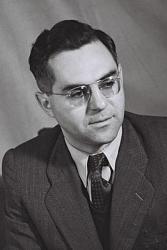
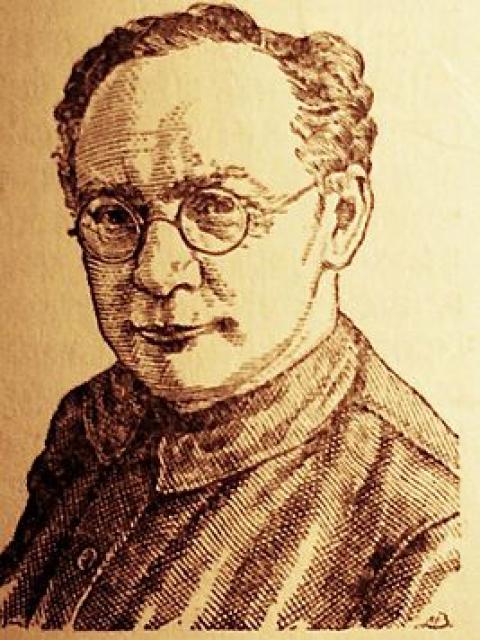
Platon Mikhailovich Kerzhentsev (real surname Lebedyev) was born on August 4, 1881, in Moscow. The son of a physician and member of the First State Duma, Kerzhentsev studied history and philology at Moscow University but did not graduate.
Revolutionary Activity
In 1904, Kerzhentsev joined the Bolshevik faction of the Russian Social Democratic Labour Party (RSDRP). He conducted party work in Nizhny Novgorod, St. Petersburg, and Kiev, facing two arrests. In 1912, he went into exile in Great Britain, the United States, and France.
Return to Russia and Diplomatic Career
Kerzhentsev returned to Russia in 1918 and worked as an editor for the newspaper "Izvestia." From 1919 to 1920, he headed the Russian Telegraph Agency (ROSTA). In 1920, he served in the Soviet delegation for negotiations with Finland and later in the People's Commissariat of Foreign Affairs, where he led departments on Romance countries and the press. From 1921, he was the Soviet representative in Sweden.
Party and Government Positions
From 1923 to 1925, Kerzhentsev chaired the Scientific Organization of Labour section of the People's Commissariat for Workers' and Peasants' Inspection. In 1925, he became the USSR plenipotentiary representative in Italy. Back in Moscow, he served as chairman of the editorial board of OGIz (State Publishing House) in 1926-27, playing a key role in establishing the Soviet censorship system. From 1928 to 1930, he was deputy head of the Propaganda Department of the Central Committee of the Communist Party of the Soviet Union (VKP(b)).
Literary and Administrative Roles
In 1930, Kerzhentsev became deputy chairman of the Presidium of the Communist Academy and director of the Institute of Literature, Art, and Language. From December 1930, he served as managing director of the Council of People's Commissars of the USSR (Sovnarkom).
Artistic Purge and Fall from Grace
From March 1933 to October 1936, Kerzhentsev headed the All-Union Committee on Radiofication and Broadcasting. In 1934, he published the praised book "The Life of Lenin." On January 17, 1936, he took over the Committee on Art Affairs under Sovnarkom and on December 5, 1936, was appointed to Sovnarkom itself.
Under Kerzhentsev's leadership, a propaganda campaign targeted alleged "enemies of the people," who included Stalin's rivals. He orchestrated persecutions against artists, supporting only those loyal to Stalin, leading to the dismantling of the Soviet film industry. On January 19, 1938, he was removed from his post.
Later Years and Death
From 1939 to 1940, Kerzhentsev served as deputy editor-in-chief of the Great and Small Soviet Encyclopedias. He passed away on June 2, 1940.