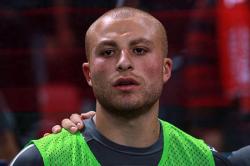
Robert Danny Blanchflower
 Great Britain
- Early Life and Military Service
- Football Career
- Tottenham Hotspur
- International Career
- Management Career
- Chelsea F.C.
- Later Years and Legacy
Early Life and Military Service
Robert Dennis "Danny" Blanchflower was born in Belfast, Northern Ireland on February 10, 1926. His passion for football was instilled in him by his mother, a center forward for the local women's team. After completing school, Danny attended Belfast College and then worked as an electrical apprentice at a local tobacco factory.
In 1943, Blanchflower joined the Royal Air Force, concealing his age to enlist. After training at St. Andrews University, he was deployed to Canada for further training in 1945.
Football Career
Barnsley and Aston VillaAfter returning to Northern Ireland in 1946, Blanchflower embarked on his football career. In 1949, he signed with Barnsley F.C. and played 155 games for the club. Two years later, Aston Villa F.C. purchased him for £15,000.
Tottenham Hotspur
In 1954, Blanchflower joined Tottenham Hotspur for £30,000. He played for Spurs for a decade, establishing himself as one of the most sophisticated and intelligent strategists in football.
International Career
From 1949 to 1963, Blanchflower represented the Northern Ireland national football team. He made a significant contribution to the team's success during this period.
Management Career
Northern Ireland National TeamAfter retiring from playing in 1964, Blanchflower transitioned to management. He took charge of the Northern Ireland national team from 1976 to 1979.
Chelsea F.C.
In 1978, Blanchflower became manager of Chelsea F.C. However, his tenure lasted only a year.
Later Years and Legacy
In the late 1970s, Blanchflower's professional activities diminished as he began to suffer from Alzheimer's disease. He passed away at his London home on December 9, 1993, at the age of 67.
Danny Blanchflower's legacy continues to live on in the annals of football history. In 2003, he was inducted into the English Football Hall of Fame. His portrayal of himself in the film "Those Glory Glory Days" further cemented his status as a beloved and respected figure in the sport.