Robert Kaslri
 Great Britain
- Lord Castlereagh: The British Diplomat of the Napoleonic Wars
- Irish Chief Secretary
- Minister for War and Foreign Affairs
- The Napoleonic Wars
- The Congress of Vienna
- Post-War Diplomacy
- Legacy
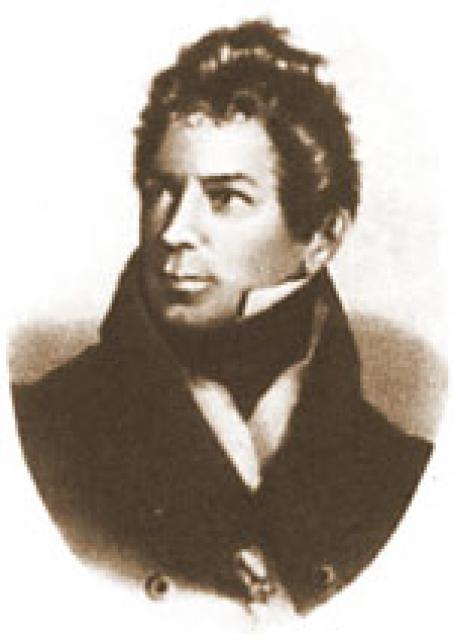
Lord Castlereagh: The British Diplomat of the Napoleonic Wars
Early Life and CareerRobert Stewart, Viscount Castlereagh (1769-1822), was born in Dublin and studied at St. John's College, Cambridge. He entered politics as an independent MP in the Irish House of Commons in 1790. In 1794, he married Emily Anne Hobart, and became a prominent figure in Irish politics.
Irish Chief Secretary
In 1798, Castlereagh was appointed Chief Secretary for Ireland. He played a key role in securing the Act of Union between Ireland and Great Britain in 1801.
Minister for War and Foreign Affairs
Castlereagh entered the House of Commons of the UK in 1802. He served as Minister for War (1805-1806 and 1807-1809) and was a vocal advocate for British military intervention on the continent. In 1812, he became Foreign Secretary under Lord Liverpool.
The Napoleonic Wars
Castlereagh played a pivotal role in the formation of the anti-Napoleonic coalitions. He negotiated the Treaty of Erebrom (1812), the Treaty of Chaumont (1814), and the Treaty of Paris (1814), which ended the Napoleonic Wars.
The Congress of Vienna
Castlereagh represented Great Britain at the Congress of Vienna (1814-1815), where he sought to establish a "just equilibrium of power" in Europe. He was instrumental in the creation of a unified Netherlands, the incorporation of Belgium into the Netherlands, and the expansion of Prussia's territory.
Post-War Diplomacy
After the defeat of Napoleon, Castlereagh continued to play a central role in British foreign policy. He was involved in the formation of the Quadruple Alliance (1815) and the Holy Alliance (1815), although Britain declined to join the latter.
Legacy
Castlereagh's diplomatic achievements were highly valued by British historians. He is credited with preventing further wars in Europe and establishing a balance of power that promoted British commerce and maritime dominance. However, his involvement in the suppression of democratic movements in Europe made him unpopular among some contemporaries.