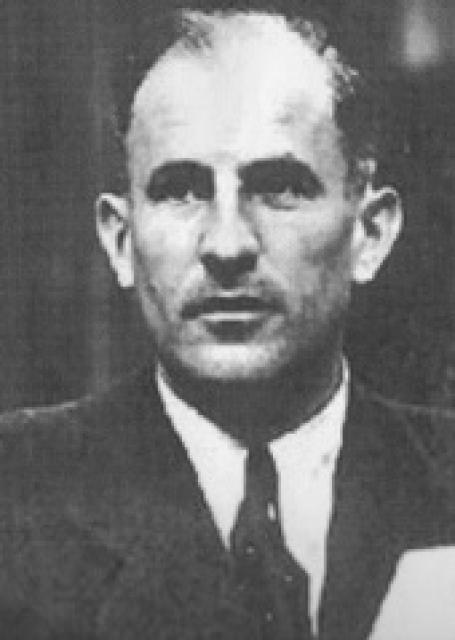
Robert Kempner
 Germany
Biography of Robert Kempner
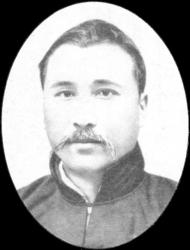
Robert Kempner was an American lawyer who gained recognition for his legal expertise and involvement in significant historical trials. He was born in Freiburg, Germany and while still a student, Kempner participated in the trial of Soghomon Tehlirian, the assassin of Talaat Pasha. The defense argued that the killings were part of the Armenian genocide and focused on Talaat's role in the mass murders.
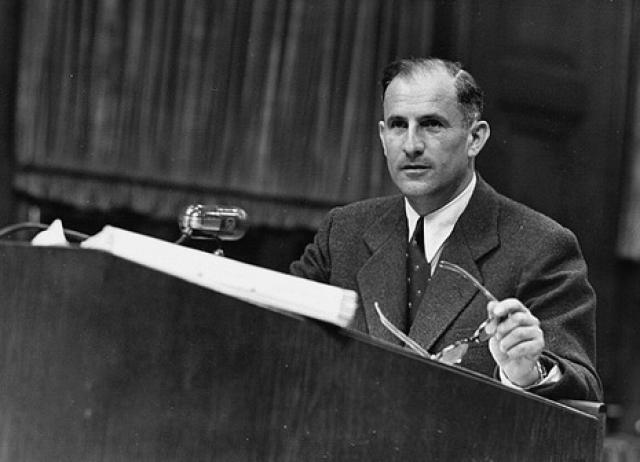
After completing his studies, Kempner opened his own practice and quickly gained a reputation among Berlin lawyers. In 1928, he was even appointed as the leading legal advisor to the Prussian police. One of Kempner's most notable cases during this period was the trial of Adolf Hitler and Wilhelm Frick following the failure of the Beer Hall Putsch. It is known that Kempner strongly recommended the dissolution of the National Socialist Party, but his recommendations were not heeded, and the Nazis came to power in 1933.
Kempner was dismissed from his position by Hermann Göring, and due to his vocal opposition to the Nazi regime, he was arrested and sent to a concentration camp for two months in violation of the Treaty of Versailles. In 1935, Wilhelm Frick, who had become the Minister of the Interior, revoked Kempner's German citizenship based on his Jewish heritage. Kempner then taught law in Italy before immigrating to the United States.
After World War II, Kempner returned to Germany and played an active role in the trials of Nazi war criminals. He had the opportunity to confront his former superiors, Göring and Frick. Kempner's extensive knowledge of German legal system proved invaluable to the Allied forces, and he skillfully directed the activities of the "counter-defense" committee. This committee analyzed the most likely defense strategies of the Nazis and prepared counter-strategies, including cross-examinations.
For Kempner, the opportunity to hold Wilhelm Frick accountable was a gift from fate. The press quickly picked up on the complicated relationship between Kempner and Frick, leading to a series of acerbic headlines. Kempner is credited with discovering the Wannsee Protocol, one of the most important documents on the Holocaust. However, not all historians consider Kempner to be an exemplary and impartial lawyer. Some sources openly accuse him of concealing and even falsifying evidence.
After the Nuremberg trials, Kempner continued to practice law, primarily in Germany and the United States, where he primarily assisted Jews in legal proceedings against Germany. In 1961, he served as a witness and expert in the trial of Adolf Eichmann. Robert Kempner passed away on August 15, 1993, at the age of 93.