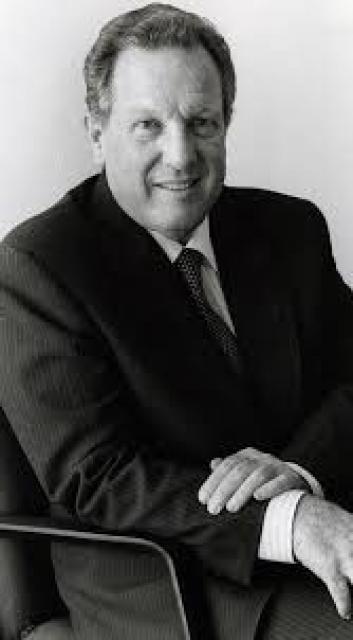
Rodrigo Carazo Odio
- Rodolfo Carazo Odio: A Statesman and Economist
- Presidency and Economic Legacy
- Foreign Policy and Regional Tensions
- Personal Life and Legacy
Rodolfo Carazo Odio: A Statesman and Economist
Born in San José, Costa Rica, Rodolfo Carazo Odio earned a Bachelor's degree in Economics from the University of Costa Rica. His political career began in 1966 when he was elected to the Costa Rican Legislative Assembly, serving as its President from 1966 to 1967.
Presidency and Economic Legacy
In 1974, Carazo became the presidential candidate for the Democratic Renewal Party. He was elected President of Costa Rica in 1978. During his presidency, he established the University for Peace in 1980, an institution dedicated to promoting peace. Additionally, his government invested in the petrochemical industry and explored for oil near the Talamanca Mountain Range. In the energy sector, the Arenál hydroelectric dam was constructed.
However, Costa Rica faced a significant economic crisis during Carazo's presidency. Oil prices soared while the value of Costa Rica's main export, coffee, plummeted. Despite advice from his finance minister and the International Monetary Fund, Carazo ordered the Central Bank to borrow heavily to support the value of the currency. This policy led to a catastrophic devaluation of the colón in 1980, contributing to high inflation. The country's heavy debt burden persists to this day.
Foreign Policy and Regional Tensions
Internationally, Carazo navigated Nicaragua's political turmoil. Costa Rica had long opposed the Somoza dictatorship, and Carazo's government supported the Sandinista rebels. Several clashes near the Nicaraguan border occurred on Costa Rican soil. Carazo warned Somoza against violating its borders and planned for a defense force to resist potential invasions. The conflict ended in 1979 when the Sandinistas seized power and Somoza fled. Carazo's government facilitated Somoza's escape by allowing three U.S. helicopters to land in Costa Rica, a move that faced opposition criticism. He later severed diplomatic relations with Cuba.
Personal Life and Legacy
Rodolfo Carazo Odio was married to Estrella Zeledón Lizano, the granddaughter of former Costa Rican President Saturnino Lizano Gutiérrez. They had five sons. After leaving the presidency in 1982, Carazo became a critic of the IMF and other international financial institutions. He also strongly opposed the Central American Free Trade Agreement (CAFTA) in his later years. Carazo's legacy includes his support for peace, his economic stewardship, and his foreign policy during a period of regional instability.


